Here is a practical step-by-step guide to building a long-lasting youth club, based on Emma Warren’s core principles from Up the Youth Club and the Guardian interview. Her central argument is simple: young people do not primarily need programmes—they need trusted places, trusted adults, and time.
Step-by-Step Guide to Setting Up a Youth Club That Lasts
Step 1: Start with the right philosophy
Before finding a building or funding, decide what your youth club is for.
A durable youth club is not mainly about preventing crime, fixing behaviour, or producing measurable outcomes.
It exists to provide:
- Somewhere safe beyond home and school
- Positive social belonging
- Trusted adult relationships
- Space for fun, creativity and identity formation
- Long-term community resilience
Key principle:
Do not treat young people as problems to solve. Treat them as people worth investing in.
Ask:
- What gap exists locally for young people aged 10–18?
- Where do they currently gather?
- What is missing—space, belonging, mentors, activities?
Step 2: Choose a local area with real need
The strongest youth clubs are hyper-local.
Look for areas with:
- Youth boredom / isolation
- Limited extracurricular access
- High deprivation
- Few affordable third spaces
- Poor transport links
- Rising antisocial behaviour or disengagement
The club should be walkable or easy to reach.
Emma emphasises accessibility:
Young people need “easily accessible physical places where they can gather.”
If they need long bus journeys, attendance drops.
Step 3: Secure a physical home
Youth clubs need a real place.
This matters more than fancy programming.
Good options:
- Church halls
- Community centres
- Empty retail units
- School buildings after hours
- Scout huts
- Sports club annexes
- Unused libraries
- Converted warehouses
Minimum needs:
- Warm
- Safe
- Toilets
- Kitchen or tea station
- Storage
- Flexible seating
- Open space
Luxury is unnecessary.
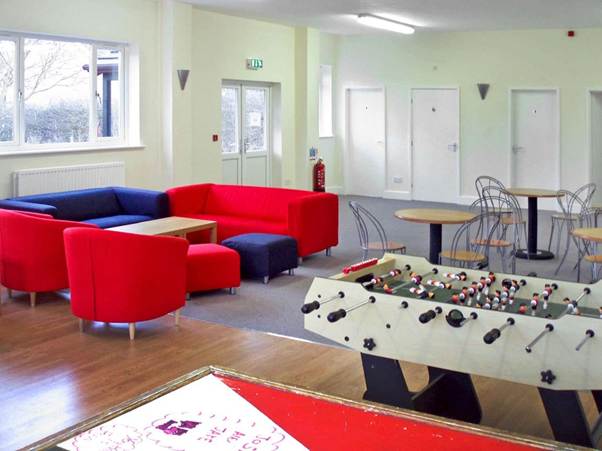
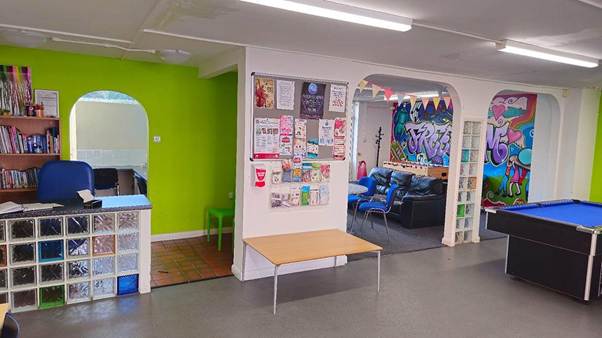
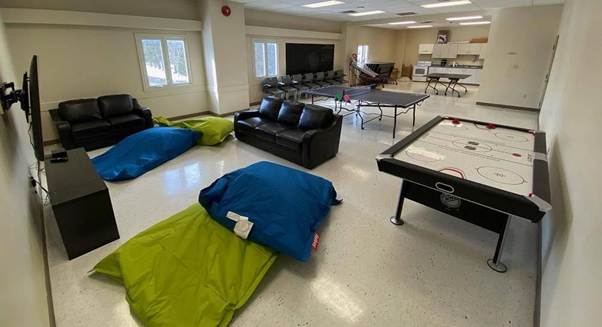
A cold hall with a kettle and pool table beats no space at all.
4
Step 4: Hire the right adults first
This is the single most important step.
Emma is blunt:
Buildings without youth workers stay closed.
Great youth workers:
- Read social dynamics
- Spot isolation
- Notice conflict early
- De-escalate tension
- Welcome difficult young people
- Hold boundaries without authoritarianism
Skills needed:
- Emotional intelligence
- Trauma awareness
- Safeguarding
- Group facilitation
- Conflict mediation
- Patience
Avoid over-programmed staff who only deliver workshops.
Hire people who can hold space.
Ideal staffing:
- 1 experienced youth worker (paid)
- 2–5 trained volunteers
- Specialist sessional mentors
Ratio:
1 adult per 8–12 regular attendees.
Step 5: Build trust through “automatic positive regard”
Emma repeatedly stresses acceptance.
Every young person entering should feel:
- Not judged
- Not labelled
- Not interrogated
- Not reduced to risk factors
Instead of:
- Why are you here?
- Are you in trouble?
- Fill in this form
Use:
- Hi, welcome
- What’s your name?
- Tea?
- Fancy a game?
- What are you into?
This creates belonging.
The first 30 seconds matter.
Step 6: Make “hanging out” legitimate
Many adults make a fatal mistake:
They think every minute needs purpose.
Wrong.
Youth clubs need structured unstructured time.
Allow:
- Chatting
- Music
- Pool
- Ping pong
- Gaming
- Quiet sitting
- Doing nothing
Why?
Because informal interaction is where:
- trust develops
- mentoring happens
- problems surface naturally
Conversation often starts during boredom.
Step 7: Offer low-barrier activities
Activities should invite participation, not intimidate.
Good starter activities:
- Pool
- Table tennis
- Board games
- Music production
- Podcasting
- Cooking
- Gardening
- Street dance
- Football
- Art
- Film nights
- Repair workshops
Avoid expensive specialist equipment initially.
Start simple.
Emma’s point about table tennis is revealing:
Small activities can create lifelong culture.
Table tennis is ideal because:
- cheap
- social
- cross-age
- inclusive
Step 8: Feed people
Never underestimate food.
Food does several things:
- reduces tension
- attracts attendance
- helps vulnerable teens
- creates ritual
- encourages conversation
Provide:
- toast
- fruit
- sandwiches
- soup
- hot drinks
Some young people arrive hungry.
A sandwich can be more impactful than a workshop.
Step 9: Co-create with young people
Don’t design everything from above.
Ask:
- What do you want here?
- What should we change?
- What events would you run?
Let them shape:
- rules
- décor
- playlists
- activities
- club identity
Ownership increases retention.
Step 10: Create culture, not just services
Long-lasting clubs become identity-forming.
They develop:
- rituals
- stories
- inside jokes
- traditions
- alumni pride
Examples:
- annual talent night
- mural wall
- club magazine
- music showcase
- football tournament
- volunteering ladder
The club should become:
“the place I grew up.”
That creates generational longevity.
Step 11: Build safeguarding and boundaries
Warmth without boundaries fails.
Set clear expectations:
- Respect people
- No violence
- No harassment
- No drugs onsite
- No bullying
Have written:
- safeguarding policy
- incident procedures
- escalation pathways
- volunteer code
Serious safeguarding needs links to:
- schools
- social workers
- NHS services
- police liaison (carefully)
Given your NHS context, mental health referral pathways matter.
National Health Service
Step 12: Diversify funding
Youth clubs die when reliant on one grant.
Aim for mixed income:
Public
- council grants
- lottery funds
- government youth funds
Philanthropy
- local donors
- foundations
- trusts
Community
- memberships (£1–£3 optional)
- fundraising events
- donations
Enterprise
- café
- room hire
- workshops
- corporate sponsorship
Rule:
No single source >40% of revenue.
Step 13: Measure what matters
Emma warns against shallow metrics.
Avoid only measuring:
- attendance
- sessions delivered
- demographics
Track long-term outcomes too:
Quantitative:
- retention
- school attendance
- exclusions
- volunteering
Qualitative:
- confidence
- belonging
- resilience
- testimonials
- alumni stories
Best question:
Who came back years later, and what changed?
Step 14: Build alumni and succession
Many clubs fail when founders leave.
Create succession early.
Develop:
- youth leaders
- volunteer pipeline
- governance board
- trustee rotation
- alumni mentors
Best model:
Teen attendee → volunteer → youth worker.
That creates cultural continuity.
Step 15: Commit for decades, not projects
This is the hardest lesson.
Youth clubs fail when treated as:
- 12-month interventions
- short grants
- temporary experiments
Emma’s ideal youth service is built around one idea:
Trusted adults in stable places for a very long time.
Think in:
- 10 years
- 20 years
- generations
Not quarters.
Minimal Launch Model (if starting small)
You can start with:
- One hall
- Two trained adults
- One evening/week
- Pool table or ping pong
- Tea + sandwiches
- £8–15k annual budget
That is enough to begin.
The Golden Rule
If you remember only one thing:
Young people rarely need more lectures.
They need places where they feel welcomed, seen, challenged, and valued.
That is what makes a youth club last.