Category: Misc

  • Top 10 Eco Activists Reframing Doom and Gloom as Regenerative Opportunity

    1. Ayana Elizabeth Johnson

    Key Message: “What if we get it right?” Marine biologist and co-founder of Urban Ocean Lab, Johnson is the author of “What If We Get it Right?: Visions of Climate Futures,” which asks us to imagine a different version of our climate future: one in which things work out.

    Ayanaelizabeth NPR

    She focuses on regenerative ocean farming and blue climate solutions, emphasizing that “40 percent of our climate solutions can be found in the ocean.” A future where we might ‘get climate right’: A conversation with Ayana Elizabeth Johnson – Conservation news Johnson transforms climate conversations from catastrophe to collective action by highlighting existing solutions and pathways to success.

    2. Christiana Figueres

    Key Message: “Stubborn optimism” The architect of the historic 2015 Paris Agreement, Figueres champions “stubborn optimism” and co-founded Global Optimism along with the podcast “Outrage + Optimism.”

    TEDGlobal Optimism

    She defines optimism as “a well-informed, deeply in-touch choice that we make to transform the pain into conviction and agency.”

    The Power of Optimism: A Conversation with Christiana Figueres | FairPlanet

    Her messaging reframes climate action as an opportunity to create the regenerative future we want to live in.

    3. Rebecca Henderson

    Key Message: “Reimagining capitalism to save the planet” Harvard Business School professor Henderson argues in “Reimagining Capitalism in a World on Fire” that business can change the world and that socially responsible companies actually perform just as well if not better than those driven only by profit.

    Rebecca HendersonAmazon

    She advocates for “purpose-driven capitalism and sustainable business” moving from fringe issues to becoming mainstream.

    Reimagining Capitalism in a World on Fire with Rebecca Henderson – Garrison Institute

    4. Kate Raworth

    Key Message: “Doughnut Economics for thriving within planetary boundaries” Oxford economist Raworth created the “Doughnut Economics” model that defines “a safe and just space for humanity to thrive” between social foundations and ecological ceilings. KateraworthDoughnuteconomics

    Her framework prioritizes “human flourishing on a thriving, living planet” and calls for “turning today’s degenerative economies into regenerative ones.”

    POINT OF VIEW: A New Compass for Economics by Kate Raworth

    Cities like Amsterdam have adopted her model as a blueprint for sustainable development.

    5. Greta Thunberg

    Key Message: Youth-powered systemic change The Swedish climate activist who started protesting at age 15 has evolved her messaging from simply demanding action to inspiring youth worldwide to envision and work toward systemic transformation.

     Top 10 Environmental Celebrity Activists Inspiring the World to Volunteer With Climate Action to Stop Climate Change

    While known for direct messaging, her movement has shifted toward empowering young people to become the generation that brings down fossil fuel industries and builds regenerative alternatives.

    6. Leonardo DiCaprio

    Key Message: Solutions-focused storytelling and investment Through his foundation (now merged with Re:wild), DiCaprio has funded projects in more than 50 countries and awarded about $80 million in grants.

    Top 10 Environmental Celebrity Activists Inspiring the World to Volunteer With Climate Action to Stop Climate Change

    His approach combines film as a medium to raise awareness with concrete investment in regenerative solutions, moving beyond just highlighting problems to funding viable alternatives.

    7. Bill McKibben

    Approach: Community-powered climate solutions While not detailed in the current search results, McKibben (mentioned in Johnson’s work) has shifted from writing about climate doom to building 350.org and promoting community-based renewable energy solutions, emphasizing local action and distributed energy systems.

    8. Paul Hawken

    Key Message: “Regeneration” as the path forward Known for “Drawdown” and “Regeneration,” Hawken frames climate action as an opportunity to heal both the planet and human communities simultaneously, focusing on solutions that are already working and can be scaled.

    9. Vandana Shiva

    Approach: Regenerative agriculture and seed sovereignty Shiva reframes environmental protection as an opportunity to rebuild local food systems, preserve biodiversity, and create economic opportunities for small farmers through regenerative agricultural practices.

    10. Jane Goodall

    Key Message: “Every individual makes a difference” Referenced in Johnson’s work, Goodall consistently frames environmental action through hope and individual agency. PRESS — Ayana Elizabeth Johnson

    Her Roots & Shoots program empowers young people to see themselves as changemakers who can create the regenerative future they want to inherit.

    Common Regenerative Messaging Themes

    These activists share several key reframing strategies:

    • Solutions-focused storytelling rather than problem-focused narratives
    • Regenerative opportunity language that emphasizes what we can build rather than what we must stop
    • Community empowerment messaging that positions people as agents of change
    • Economic opportunity framing that shows climate action as economically beneficial
    • Positive future visioning that helps people imagine thriving, sustainable communities
    • Systems thinking that connects environmental solutions to social justice and economic prosperity

    Their collective approach demonstrates that effective climate communication moves beyond fear-based messaging to inspire action through hope, agency, and tangible pathways to a regenerative future.

  • Environmental Compliance Made Simple for Small Businesses: Your Complete Guide

    The Environmental Compliance Crisis Facing Small Businesses

    Small businesses across America are drowning in a sea of environmental regulations that seem to multiply faster than they can understand or implement them. While large corporations employ teams of environmental lawyers and compliance specialists, small business owners find themselves personally responsible for navigating a complex maze of federal, state, and local environmental requirements that can make or break their operations.

    The Environmental Protection Agency (EPA) alone enforces over 30 major environmental laws, each with hundreds of specific requirements that may apply to small businesses. Add state and local regulations to the mix, and the compliance burden becomes overwhelming for entrepreneurs who started their businesses to pursue their passions, not to become environmental law experts.

    The stakes could not be higher. Environmental violations can result in fines ranging from thousands to millions of dollars, criminal prosecution for serious violations, and business closure in extreme cases. For small businesses operating on thin margins, even a modest environmental penalty can represent a catastrophic financial blow that threatens their survival.

    Recent EPA enforcement data reveals that small businesses account for a disproportionate number of environmental violations, not because they are less committed to environmental protection, but because they lack the resources and expertise to maintain compliance with increasingly complex regulations. This compliance gap represents both a significant risk and an opportunity for small businesses willing to take proactive steps to address their environmental responsibilities.

    The Problem: Why Environmental Compliance Overwhelms Small Businesses

    The Complexity of Modern Environmental Regulations

    Environmental regulations have evolved from simple pollution control measures to comprehensive frameworks that address every aspect of business operations. Today’s small business owner must understand and comply with regulations covering air emissions, water discharges, hazardous waste management, chemical storage and handling, spill prevention, emergency planning, and environmental reporting requirements.

    The complexity is compounded by the fact that different regulations apply to different types of businesses, and the same business may be subject to multiple overlapping requirements. A small manufacturing company, for example, might need to comply with Clean Air Act requirements for air emissions, Clean Water Act requirements for stormwater management, Resource Conservation and Recovery Act requirements for waste disposal, and Toxic Substances Control Act requirements for chemical management.

    Each of these regulatory programs has its own set of permits, reporting requirements, record-keeping obligations, and compliance deadlines. Missing a single deadline or failing to maintain proper documentation can trigger enforcement action, even if the business is operating in an environmentally responsible manner.

    The regulatory landscape is constantly changing, with new requirements being added regularly and existing requirements being modified or updated. Small businesses lack the resources to monitor these changes continuously, leaving them vulnerable to inadvertent violations when new requirements take effect.

    Resource Constraints and Competing Priorities

    Small business owners face the impossible challenge of becoming experts in environmental law while simultaneously managing all other aspects of their operations. Unlike large corporations that can afford to hire specialized environmental staff, small businesses must rely on owners and general managers who have limited time and expertise to devote to compliance issues.

    The financial burden of compliance can be particularly challenging for small businesses. Environmental permits can cost thousands of dollars, compliance monitoring equipment can require significant capital investment, and the ongoing costs of waste management, emissions testing, and regulatory reporting can strain tight budgets.

    Many small businesses operate in older facilities that were not designed with current environmental standards in mind. Bringing these facilities into compliance may require substantial capital investments in pollution control equipment, facility modifications, or operational changes that can be difficult to justify from a purely financial perspective.

    The human resource challenge is equally daunting. Environmental compliance requires ongoing attention and expertise that most small business employees do not possess. Training existing staff in environmental requirements takes time away from their primary responsibilities, while hiring specialized environmental staff may not be economically feasible for smaller operations.

    The Consequences of Non-Compliance

    The consequences of environmental non-compliance extend far beyond monetary penalties. Environmental violations can damage a company’s reputation, strain relationships with customers and suppliers, and create personal liability for business owners and managers. In some cases, environmental violations can result in criminal prosecution, particularly when violations are willful or result in significant environmental harm.

    The indirect costs of non-compliance can be even more significant than direct penalties. Environmental violations often require extensive remediation efforts, legal fees, and management time that could otherwise be devoted to growing the business. Companies with poor environmental compliance records may find it difficult to obtain financing, insurance, or bonding required for certain types of business activities.

    Environmental violations can also trigger increased regulatory scrutiny, resulting in more frequent inspections and higher compliance costs going forward. Once a business is identified as a compliance problem, it may remain on regulatory watch lists for years, creating ongoing operational challenges and costs.

    The Solution: Comprehensive Environmental Compliance Support

    Professional Compliance Auditing and Assessment

    The foundation of effective environmental compliance is a thorough understanding of which regulations apply to your specific business operations and how well your current practices meet those requirements. Professional environmental compliance auditing provides small businesses with the expertise needed to identify compliance gaps and develop corrective action plans.

    A comprehensive compliance audit begins with a detailed review of business operations, including facility tours, interviews with key personnel, and examination of existing permits, records, and procedures. The auditor then compares current practices against applicable regulatory requirements to identify areas of non-compliance or potential compliance risks.

    The audit process also includes evaluation of environmental management systems, employee training programs, and record-keeping practices to ensure that compliance is maintained on an ongoing basis. Many compliance problems result from inadequate documentation or failure to maintain required records, even when actual operations are environmentally sound.

    Professional auditors bring specialized knowledge of regulatory requirements and enforcement trends that enable them to identify potential problems before they result in violations. They can also provide guidance on best practices and cost-effective compliance strategies that minimize regulatory burden while ensuring full compliance.

    Regulatory Monitoring and Update Services

    One of the most valuable services provided by environmental compliance professionals is ongoing monitoring of regulatory changes and their implications for small businesses. This includes tracking new regulations, permit renewals, reporting deadlines, and enforcement priorities that may affect business operations.

    Professional compliance services typically include regular updates on regulatory developments, assessment of their impact on specific business operations, and recommendations for necessary changes to maintain compliance. This proactive approach helps small businesses stay ahead of regulatory changes rather than scrambling to achieve compliance after new requirements take effect.

    The regulatory monitoring service also includes assistance with permit applications, renewals, and modifications. Environmental permits often require complex technical information and detailed operational data that can be challenging for small businesses to compile and present effectively. Professional assistance can significantly improve the likelihood of permit approval and reduce the time and cost of the permitting process.

    Implementation Support and Training

    Identifying compliance requirements is only the first step in achieving and maintaining environmental compliance. Small businesses also need practical support in implementing necessary changes and training employees in proper procedures and practices.

    Implementation support includes development of environmental management procedures, employee training programs, and record-keeping systems that ensure ongoing compliance. This may involve assistance with equipment selection and installation, development of operating procedures, and establishment of monitoring and reporting systems.

    Employee training is a critical component of effective compliance programs. All employees who handle hazardous materials, operate equipment that may generate emissions, or have responsibilities related to environmental compliance need appropriate training to perform their duties safely and in compliance with applicable regulations.

    Professional compliance support also includes assistance with emergency planning and response procedures. Many environmental regulations require businesses to develop and maintain emergency response plans for potential spills, releases, or other environmental incidents. Having proper plans and trained personnel in place can significantly reduce the environmental and financial consequences of such incidents.

    Success Story: Restaurant Chain Avoids $50K Fines Through Proactive Compliance

    The Challenge

    Coastal Cuisine, a family-owned restaurant chain with seven locations along the California coast, was facing a perfect storm of environmental compliance challenges that threatened to derail their expansion plans and drain their financial resources. The company had grown rapidly over five years from a single location to multiple restaurants, but their environmental compliance practices had not kept pace with their business growth.

    The wake-up call came when the Regional Water Quality Control Board issued a Notice of Violation for improper grease trap maintenance at their flagship location, carrying potential fines of up to $25,000. Simultaneously, the local air quality management district was investigating complaints about odors from their kitchen exhaust systems, and the county health department had identified potential hazardous waste violations related to cleaning chemical storage and disposal.

    Owner Maria Rodriguez realized that what started as isolated compliance issues at individual locations had become a systemic problem that could result in fines exceeding $50,000 across all locations. More troubling was the discovery that each restaurant location had different compliance practices, with some managers unaware of their environmental responsibilities and others implementing ad-hoc solutions that created new compliance risks.

    The compliance challenges were particularly complex because restaurants are subject to multiple overlapping environmental regulations. Each location needed to comply with water discharge requirements for grease and food waste, air quality regulations for cooking emissions, hazardous waste regulations for cleaning chemicals, and solid waste regulations for food waste and packaging materials.

    The Solution Implementation

    Recognizing that she lacked the expertise to address these compliance challenges effectively, Rodriguez engaged Pacific Environmental Consulting, a firm specializing in small business environmental compliance, to conduct a comprehensive assessment and develop a systematic compliance program for all locations.

    The engagement began with simultaneous compliance audits at all seven restaurant locations, conducted by a team of environmental specialists with expertise in restaurant operations. The audits revealed significant compliance gaps across multiple regulatory areas, including improper grease trap maintenance, inadequate chemical storage, missing required permits, and incomplete record-keeping.

    The consulting team developed a prioritized action plan that addressed the most serious compliance risks first, followed by systematic improvements to bring all locations into full compliance. The plan included immediate corrective actions to address existing violations, implementation of standardized operating procedures across all locations, and establishment of ongoing monitoring and maintenance programs.

    Key components of the compliance program included installation of properly sized grease interceptors at all locations, implementation of regular maintenance schedules, development of chemical management procedures, establishment of waste segregation and disposal protocols, and creation of comprehensive record-keeping systems.

    The consulting team also provided extensive training to restaurant managers and key staff members on environmental compliance requirements and proper procedures. This training was particularly important because restaurant operations involve multiple activities that can create environmental compliance risks, from food preparation and cleaning to waste disposal and equipment maintenance.

    The Results and Impact

    The proactive compliance program delivered immediate and long-term benefits that far exceeded Rodriguez’s expectations. Most importantly, the systematic approach to addressing compliance violations resulted in negotiated settlements with regulatory agencies that reduced potential fines from over 50,000tolessthan50,000 to less than 50,000tolessthan8,000, saving the company more than $42,000 in penalties.

    The compliance improvements also generated significant operational cost savings. Proper grease trap maintenance reduced plumbing problems and emergency service calls, saving approximately 15,000annuallyacrossalllocations.Improvedchemicalmanagementreducedwastedisposalcostsby15,000 annually across all locations. Improved chemical management reduced waste disposal costs by 15,000annuallyacrossalllocations.Improvedchemicalmanagementreducedwastedisposalcostsby8,000 annually while also reducing worker safety risks.

    The standardized compliance procedures improved operational efficiency by eliminating the confusion and inconsistency that had previously characterized environmental management across different locations. Restaurant managers reported that having clear procedures and regular monitoring schedules actually reduced the time and effort required to maintain compliance.

    Perhaps most importantly, the compliance program positioned Coastal Cuisine for continued growth without environmental compliance constraints. The company was able to proceed with plans to open three additional locations, confident that their environmental management systems could be easily replicated at new sites.

    Long-Term Strategic Benefits

    The success of the initial compliance program led Coastal Cuisine to establish an ongoing relationship with Pacific Environmental Consulting for continued compliance support and monitoring. This relationship provides the company with access to specialized expertise without the overhead costs of hiring full-time environmental staff.

    The compliance program has also enhanced the company’s reputation with customers, suppliers, and the local community. Several locations have received recognition from local environmental groups for their proactive approach to environmental management, generating positive publicity and customer goodwill.

    The systematic approach to environmental compliance has created a culture of environmental responsibility throughout the organization. Employees at all levels now understand their roles in maintaining compliance and take pride in the company’s environmental performance. This cultural change has reduced compliance risks and improved overall operational performance.

    Rodriguez credits the proactive compliance program with enabling the company’s continued growth and success. “We went from being constantly worried about environmental problems to having confidence that we’re doing the right thing for our business and the environment,” she explains. “The investment in professional compliance support was one of the best business decisions we’ve ever made.”

    Conclusion: Making Environmental Compliance Manageable for Small Businesses

    Environmental compliance does not have to be an overwhelming burden that constrains small business growth and success. With proper professional support and systematic approaches, small businesses can achieve and maintain full compliance while actually reducing costs and improving operational efficiency.

    The key is to move beyond reactive approaches that address compliance problems after they occur to proactive strategies that prevent violations and optimize environmental performance. Professional environmental compliance support provides small businesses with the expertise and resources needed to implement effective compliance programs without the overhead costs of hiring specialized staff.

    For small business owners facing environmental compliance challenges, the choice is clear: invest in professional compliance support now, or face the much higher costs of violations, penalties, and remediation later. The businesses that take proactive steps to address environmental compliance will be best positioned to grow and thrive in an increasingly regulated business environment.

    The path to compliance success begins with recognizing that environmental compliance is a business imperative that requires specialized expertise and systematic implementation. Small businesses that partner with qualified environmental professionals will achieve better compliance outcomes at lower costs than those that attempt to navigate regulatory requirements alone.

  • Energy Efficiency Consulting for Small Businesses: Your Complete Cost-Reduction Guide

    The Energy Challenge Transforming Small Business Operations

    Energy costs represent one of the largest and most controllable operating expenses for small and medium enterprises, yet many businesses continue to operate with inefficient systems and practices that drain profitability and undermine sustainability goals. Rising energy prices, aging infrastructure, and increasing environmental awareness have created an urgent need for SMEs to optimize their energy consumption and explore renewable energy alternatives.

    The financial impact of energy inefficiency on small businesses is substantial. Energy typically represents 3-8% of total operating costs for most SMEs, with some energy-intensive businesses spending 15-25% of their revenue on electricity, heating, and cooling. For a small business with 1millioninannualrevenue,evenamodest201 million in annual revenue, even a modest 20% reduction in energy costs can generate 1millioninannualrevenue,evenamodest206,000-$16,000 in annual savings that flow directly to the bottom line.

    The challenge for SMEs is that energy efficiency improvements often require upfront capital investments and technical expertise that may be difficult to justify or obtain. Unlike large corporations that can afford dedicated energy management staff and sophisticated monitoring systems, small businesses must find cost-effective approaches that deliver measurable results without overwhelming their operational capabilities.

    The opportunity lies in the fact that most SMEs have significant untapped potential for energy savings through relatively simple and affordable improvements. Professional energy efficiency consulting can help small businesses identify and implement cost-effective solutions that typically pay for themselves within 2-4 years while providing ongoing savings and environmental benefits for decades.

    The Problem: Why SMEs Struggle with Energy Optimization

    Lack of Technical Expertise and Assessment Capabilities

    Most small business owners and managers lack the technical knowledge needed to identify energy efficiency opportunities or evaluate the cost-effectiveness of potential improvements. Energy systems are complex, and optimal solutions depend on factors such as building characteristics, equipment specifications, usage patterns, and local utility rates that require specialized expertise to analyze effectively.

    The absence of systematic energy assessment capabilities means that many SMEs are unaware of their energy consumption patterns or the specific sources of inefficiency in their operations. Without baseline data and professional analysis, it is difficult to prioritize improvement opportunities or measure the impact of efficiency initiatives.

    Many SMEs operate in older buildings with outdated HVAC systems, lighting, and electrical infrastructure that were not designed with energy efficiency in mind. Identifying the most cost-effective upgrade opportunities requires understanding of modern technologies, utility incentive programs, and financing options that most small business owners do not possess.

    The complexity of energy efficiency technologies and their interactions with existing systems creates additional challenges for SMEs. Heat pumps, LED lighting, smart controls, and renewable energy systems each have specific applications and performance characteristics that require professional evaluation to ensure optimal selection and installation.

    Capital Constraints and Investment Prioritization

    Energy efficiency improvements often require significant upfront investments that can strain SME budgets and compete with other business priorities. While these investments typically generate positive returns, the initial capital requirements can be challenging for businesses operating with limited cash flow and multiple competing needs.

    The payback periods for energy efficiency investments can vary significantly depending on the specific technology, usage patterns, and local energy costs. SMEs need professional guidance to evaluate the financial implications of different improvement options and prioritize investments that deliver the greatest return on investment.

    Many SMEs are unaware of available financing options and incentive programs that can reduce the cost of energy efficiency improvements. Utility rebates, government tax credits, and specialized financing programs can significantly improve the economics of efficiency projects, but accessing these programs requires knowledge and expertise that many small businesses lack.

    The challenge of evaluating energy efficiency investments is compounded by the need to consider factors beyond simple payback calculations. Energy efficiency improvements can provide additional benefits such as improved comfort, reduced maintenance costs, and enhanced property values that should be included in investment analysis.

    Operational Disruption and Implementation Challenges

    Energy efficiency improvements often require modifications to existing systems and operations that can disrupt business activities. SMEs may be reluctant to pursue efficiency projects that could interfere with customer service or production schedules, particularly if they lack confidence in the implementation process.

    The coordination required for energy efficiency projects can be challenging for SMEs with limited management resources. Projects may involve multiple contractors, utility coordination, permit applications, and equipment scheduling that requires careful project management to execute successfully.

    Many SMEs lack the internal expertise to oversee energy efficiency projects and ensure that installations meet specifications and performance expectations. Poor installation quality can significantly reduce the effectiveness of efficiency improvements and create ongoing operational problems.

    The ongoing maintenance and optimization requirements for energy efficiency systems can also be challenging for SMEs. Advanced control systems, renewable energy equipment, and high-efficiency HVAC systems may require specialized maintenance and periodic optimization that exceeds the capabilities of typical small business maintenance staff.

    The Solution: Comprehensive Energy Efficiency Consulting and Implementation

    Professional Energy Auditing and Assessment

    Comprehensive energy efficiency consulting begins with detailed energy auditing that identifies all sources of energy consumption and quantifies opportunities for improvement. Professional energy auditors use specialized equipment and analytical techniques to assess building envelope performance, HVAC system efficiency, lighting effectiveness, and equipment energy consumption.

    The energy audit process includes analysis of utility bills and consumption patterns, thermal imaging to identify insulation and air sealing opportunities, measurement of lighting levels and power consumption, evaluation of HVAC system performance and controls, and assessment of equipment efficiency and usage patterns.

    Professional energy auditing also includes financial analysis that quantifies the cost and savings potential of different improvement opportunities. This analysis considers factors such as equipment costs, installation expenses, utility incentives, financing options, and ongoing maintenance requirements to provide accurate projections of investment returns.

    The audit results are typically presented in a comprehensive report that prioritizes improvement opportunities based on cost-effectiveness and provides detailed implementation recommendations. This report serves as a roadmap for energy efficiency improvements and helps SMEs make informed decisions about their energy investments.

    Technology Selection and System Design

    Professional energy efficiency consulting includes expert guidance on technology selection and system design that ensures optimal performance and cost-effectiveness. This includes evaluation of different equipment options, analysis of compatibility with existing systems, and design of integrated solutions that maximize energy savings.

    Technology selection considers factors such as building characteristics, usage patterns, local climate conditions, and utility rate structures to identify the most appropriate solutions for each specific application. Professional consultants maintain current knowledge of available technologies and their performance characteristics to provide accurate recommendations.

    System design services include development of detailed specifications, coordination with equipment manufacturers and contractors, and preparation of installation drawings and documentation. This comprehensive approach ensures that energy efficiency projects are properly planned and executed to achieve expected performance results.

    Professional consulting also includes assistance with utility interconnection requirements, permit applications, and regulatory compliance for energy efficiency and renewable energy projects. This support helps streamline the implementation process and avoid delays or complications that could affect project costs and timelines.

    Implementation Support and Performance Monitoring

    Successful energy efficiency implementation requires ongoing support and monitoring to ensure that projects are completed successfully and deliver expected results. Professional energy efficiency consulting includes project management services, contractor coordination, and performance verification that help SMEs achieve their energy savings goals.

    Implementation support includes assistance with contractor selection and evaluation, project scheduling and coordination, quality control and inspection services, and commissioning of new equipment and systems. This comprehensive support helps ensure that energy efficiency projects are completed on time, within budget, and to specification.

    Performance monitoring services include establishment of baseline energy consumption data, ongoing tracking of energy usage and savings, identification of optimization opportunities, and periodic system maintenance and tuning. This ongoing support helps maximize the long-term performance and value of energy efficiency investments.

    Professional consulting also includes assistance with utility incentive program applications, tax credit documentation, and financing arrangements that can reduce the cost of energy efficiency projects. This support helps SMEs access all available financial benefits and optimize the economics of their energy investments.

    Success Story: Retail Store Cuts Energy Bills 35% with LED and HVAC Upgrades

    The Challenge

    Mountain View Electronics, a family-owned electronics and appliance retailer with three locations totaling 25,000 square feet, was struggling with escalating energy costs that were eroding profit margins and limiting growth opportunities. The company’s annual electricity bills exceeded $48,000 across all locations, representing nearly 4% of total revenue and creating significant financial pressure.

    The challenge was particularly acute because the retail electronics business operates on thin margins, and energy costs were increasing faster than the company’s ability to raise prices or improve operational efficiency through other means. Owner Sarah Mitchell had noticed that energy bills were consuming an increasingly large portion of the company’s cash flow and limiting her ability to invest in inventory and store improvements.

    The three retail locations were housed in buildings constructed in the 1980s and 1990s with original lighting, HVAC systems, and electrical infrastructure that had never been upgraded for energy efficiency. The stores required extensive lighting for product displays and comfortable temperatures for customer shopping, creating substantial energy demands that were being met by increasingly inefficient systems.

    Mitchell was particularly concerned about the environmental impact of the company’s energy consumption and wanted to align business practices with her personal values around environmental responsibility. Several customers had commented on the importance of supporting environmentally responsible businesses, and Mitchell recognized that energy efficiency improvements could enhance the company’s reputation while reducing costs.

    Previous attempts to address energy costs had been limited to basic measures such as adjusting thermostat settings and encouraging employees to turn off lights, but these efforts had delivered minimal results. Mitchell realized that more comprehensive improvements were needed to achieve meaningful cost savings and environmental benefits.

    The Solution Implementation

    Recognizing the need for professional expertise to address energy challenges effectively, Mitchell engaged Energy Solutions Northwest, a consulting firm specializing in energy efficiency for small commercial businesses. The engagement began with comprehensive energy audits at all three retail locations to identify specific opportunities for improvement.

    The energy audits revealed significant opportunities for savings across multiple systems. The lighting analysis showed that the stores were using outdated fluorescent and incandescent fixtures that consumed 40% more energy than modern LED alternatives while providing inferior light quality for product displays. The HVAC assessment identified aging equipment with poor efficiency ratings and inadequate controls that resulted in significant energy waste.

    The consulting team developed a comprehensive energy efficiency plan that prioritized improvements based on cost-effectiveness and implementation feasibility. The plan included immediate lighting upgrades to LED technology, HVAC system replacements with high-efficiency equipment, installation of programmable thermostats and smart controls, and building envelope improvements to reduce heating and cooling loads.

    The lighting upgrade project involved replacement of over 400 fixtures across all three locations with LED technology specifically designed for retail applications. The new lighting provided better color rendering for product displays while consuming 60% less energy than the original fixtures. The project also included installation of occupancy sensors and daylight harvesting controls that further reduced energy consumption.

    The HVAC improvements included replacement of aging rooftop units with high-efficiency equipment that exceeded minimum efficiency standards by 20%. The new systems included variable-speed fans, advanced controls, and zoning capabilities that optimized energy consumption based on occupancy and weather conditions.

    The Results and Impact

    The comprehensive energy efficiency improvements delivered exceptional results that exceeded all expectations. Within the first year of implementation, Mountain View Electronics achieved a 38% reduction in total energy consumption and a 35% reduction in electricity costs, saving approximately $16,800 annually across all three locations.

    The lighting upgrades alone generated savings of $9,600 annually while improving the visual appeal of product displays and reducing maintenance costs. The LED fixtures have expected lifespans of 15-20 years compared to 2-3 years for the original fluorescent lamps, eliminating frequent lamp replacement costs and reducing maintenance labor requirements.

    The HVAC improvements generated additional savings of $7,200 annually while improving customer and employee comfort through better temperature control and air quality. The new systems also reduced maintenance requirements and improved reliability, eliminating several emergency service calls that had disrupted business operations.

    The energy efficiency improvements also generated unexpected benefits in customer experience and employee satisfaction. The improved lighting enhanced product visibility and created a more attractive shopping environment that customers specifically commented on. Employees reported improved comfort and working conditions due to better temperature control and lighting quality.

    The project economics were enhanced by utility rebates totaling $8,500 that reduced the net investment cost and improved payback periods. The combination of energy savings and utility incentives resulted in a simple payback period of less than three years for the comprehensive efficiency improvements.

    Long-Term Strategic Benefits

    The success of the energy efficiency program has positioned Mountain View Electronics as an environmental leader within the local business community. The company now promotes its energy efficiency achievements in marketing materials and has attracted environmentally conscious customers who specifically seek out sustainable businesses.

    The energy cost savings have provided Mitchell with additional financial flexibility to invest in inventory, store improvements, and business expansion. The predictable nature of energy savings has improved cash flow planning and enabled more strategic decision-making about business investments.

    Mitchell credits the energy efficiency program with transforming her approach to business operations and environmental responsibility. “The energy improvements started as a cost reduction initiative but became a fundamental part of our business strategy,” she explains. “We’re now saving money, improving customer experience, and demonstrating our commitment to environmental stewardship.”

    The success of the initial energy efficiency efforts has led Mountain View Electronics to explore additional sustainability initiatives, including renewable energy installation, electric vehicle charging stations, and sustainable product offerings. The company is now working toward carbon neutrality goals and considering LEED certification for future store locations.

    Conclusion: Energy Efficiency as Strategic Investment for SMEs

    Energy efficiency represents one of the most reliable and impactful investments that SMEs can make to reduce operating costs, improve competitiveness, and demonstrate environmental leadership. The key to success is taking a systematic approach that begins with professional assessment, includes strategic planning, and focuses on implementation of cost-effective improvements.

    Professional energy efficiency consulting provides SMEs with the expertise and resources needed to navigate the complexity of energy systems and technologies while ensuring that investments deliver maximum value. The investment in professional energy consulting typically pays for itself through improved project outcomes and access to utility incentives and financing programs.

    For SME leaders considering energy efficiency improvements, the question is not whether to invest in energy optimization, but how to do so most effectively. The companies that implement comprehensive energy efficiency strategies now will be best positioned to capitalize on the cost savings and competitive advantages that energy leadership provides.

    The future belongs to businesses that can demonstrate leadership in energy efficiency and environmental responsibility. SMEs that embrace energy optimization as a strategic priority will find that it enhances rather than constrains their growth and profitability while contributing to sustainability goals and stakeholder expectations.

  • ESG Strategy Development for Small and Medium Enterprises: Your Complete Implementation Guide

    The ESG Revolution Transforming SME Business Strategy

    Environmental, Social, and Governance (ESG) considerations have evolved from optional corporate initiatives to fundamental business requirements that determine access to capital, customer relationships, and competitive positioning. For small and medium enterprises, this transformation presents both unprecedented challenges and remarkable opportunities to differentiate themselves in increasingly crowded markets.

    The ESG landscape has changed dramatically in recent years, driven by regulatory developments, investor requirements, and shifting consumer preferences that prioritize sustainable and socially responsible business practices. What was once considered the exclusive domain of large multinational corporations has become a critical success factor for businesses of all sizes, including SMEs that may have limited resources but unlimited potential for positive impact.

    Recent research indicates that companies with strong ESG performance achieve superior financial results, including higher profitability, lower cost of capital, and improved operational efficiency. For SMEs, these benefits can be particularly significant because they often operate with tighter margins and face greater challenges in accessing capital and attracting customers than their larger competitors.

    The challenge for SMEs is developing ESG strategies that are both meaningful and manageable within their resource constraints. Unlike large corporations that can afford dedicated ESG teams and substantial budgets for sustainability initiatives, small businesses must find creative approaches that deliver real impact while supporting core business objectives and operational requirements.

    The Problem: Why SMEs Struggle with ESG Implementation

    Complexity and Resource Constraints

    The modern ESG landscape encompasses hundreds of potential issues across environmental, social, and governance categories, creating overwhelming complexity for SMEs that lack specialized expertise. Environmental considerations alone include climate change, resource consumption, waste management, biodiversity, pollution prevention, and circular economy principles, each with multiple sub-categories and measurement requirements.

    Social factors are equally complex, encompassing employee welfare, diversity and inclusion, community engagement, human rights, supply chain labor practices, and customer satisfaction. Governance issues include board composition, executive compensation, risk management, ethics and compliance, and stakeholder engagement. The interconnected nature of these issues makes it difficult for SMEs to know where to focus their limited resources for maximum impact.

    The resource requirements for comprehensive ESG implementation can be substantial, particularly for SMEs that are starting from scratch. Developing ESG strategies requires significant time investment from senior management, implementation of new policies and procedures, training of employees, and often capital investments in new systems or technologies.

    Many SMEs lack the internal expertise needed to develop effective ESG strategies. While business owners and managers may understand the importance of environmental and social responsibility, they often lack the technical knowledge needed to translate these values into systematic business practices that deliver measurable results.

    Measurement and Reporting Challenges

    Effective ESG management requires systematic measurement and reporting of performance across multiple dimensions, creating significant challenges for SMEs that may lack sophisticated data collection and analysis capabilities. ESG metrics are often complex and require specialized knowledge to calculate accurately and present credibly.

    The proliferation of ESG reporting frameworks and standards creates additional complexity for SMEs. Different stakeholders may require different types of ESG information, and the lack of standardization makes it difficult for small businesses to develop reporting approaches that meet all requirements efficiently.

    Many SMEs struggle with the baseline data collection required for effective ESG measurement. Environmental metrics may require monitoring systems that were not previously in place, while social metrics may require employee surveys and stakeholder engagement processes that demand significant time and resources.

    The verification and assurance requirements associated with ESG reporting can also be challenging for SMEs. External verification services can be expensive, while internal verification requires expertise and systems that many small businesses do not possess.

    Stakeholder Expectations and Market Pressures

    SMEs face increasing pressure from multiple stakeholders to demonstrate strong ESG performance, but these stakeholders often have different priorities and expectations that can be difficult to balance. Customers may prioritize environmental sustainability, while employees may focus on social issues, and investors may emphasize governance and risk management.

    The competitive implications of ESG performance are becoming increasingly significant for SMEs. Companies with strong ESG credentials are gaining advantages in customer acquisition, talent recruitment, and partnership development, while those with poor ESG performance risk being excluded from opportunities and losing market share.

    Supply chain requirements are creating cascading ESG pressures throughout business networks. Large corporations are increasingly requiring their suppliers to meet specific ESG standards and provide detailed reporting on their environmental and social performance. SMEs that cannot meet these requirements may lose important business relationships.

    The Solution: Strategic ESG Framework Development for SMEs

    Materiality Assessment and Priority Setting

    Effective ESG strategy development begins with materiality assessment that identifies the environmental, social, and governance issues that are most relevant to the specific business context and stakeholder expectations. This process helps SMEs focus their limited resources on the ESG factors that will have the greatest impact on business performance and stakeholder relationships.

    Professional ESG consultants can guide SMEs through systematic materiality assessment processes that consider industry characteristics, business model implications, stakeholder priorities, and regulatory requirements. This analysis typically results in identification of 8-12 priority ESG topics that become the focus of strategy development and implementation efforts.

    The materiality assessment process also includes evaluation of current performance across priority ESG topics, identification of gaps and improvement opportunities, and benchmarking against industry peers and best practices. This analysis provides the foundation for setting realistic but ambitious ESG goals and developing implementation plans.

    Priority setting is crucial for SMEs because it enables focused resource allocation and ensures that ESG initiatives support rather than compete with core business objectives. Companies that try to address too many ESG issues simultaneously often achieve mediocre results across all areas, while those that focus on priority topics can achieve meaningful impact and competitive advantages.

    Integrated Strategy Development

    ESG strategy development for SMEs requires integration with overall business strategy to ensure that environmental, social, and governance initiatives support rather than distract from core business objectives. This integration is particularly important for small businesses that cannot afford to pursue ESG initiatives that do not contribute to business success.

    Professional ESG strategy development includes analysis of how ESG factors affect business risks and opportunities, identification of ESG initiatives that can drive cost savings or revenue growth, and development of implementation approaches that leverage existing business processes and capabilities.

    The strategy development process typically includes establishment of specific, measurable ESG goals that align with business objectives and stakeholder expectations. These goals should be ambitious enough to drive meaningful improvement but realistic enough to be achievable within the company’s resource constraints and operational capabilities.

    Integration also requires consideration of how ESG initiatives will be governed and managed within the organization. This includes assignment of responsibilities, establishment of decision-making processes, and development of performance monitoring and reporting systems that ensure ongoing progress toward ESG goals.

    Implementation Planning and Support

    Successful ESG strategy implementation requires detailed planning that specifies the sequence of initiatives, resource requirements, success metrics, and timeline for each component of the strategy. Professional ESG support includes development of comprehensive implementation plans that help SMEs execute their strategies effectively.

    Implementation planning typically includes identification of quick wins that can demonstrate early progress and build momentum for longer-term initiatives. These early successes are particularly important for SMEs because they help justify continued investment in ESG initiatives and maintain stakeholder support for the strategy.

    The planning process also includes development of change management approaches that help employees understand and embrace ESG initiatives. Employee engagement is crucial for successful ESG implementation because many initiatives require changes in daily practices and behaviors that cannot be mandated from above.

    Professional implementation support may include project management assistance, vendor selection and coordination, employee training and development, and performance monitoring and reporting. This support helps ensure that ESG initiatives are executed effectively and deliver expected results.

    Success Story: Family Business Improves Customer Retention Through ESG Focus

    The Challenge

    Heritage Manufacturing, a third-generation family-owned metal fabrication company with 85 employees, was facing increasing pressure from customers to demonstrate environmental and social responsibility. The company had built its reputation on quality craftsmanship and reliable service over 60 years, but was finding that traditional strengths were no longer sufficient to maintain competitive positioning.

    The challenge became acute when Heritage’s two largest customers, representing 45% of annual revenue, announced new supplier requirements that included detailed ESG reporting and performance standards. These customers were responding to their own stakeholder pressures and regulatory requirements by implementing comprehensive supplier sustainability programs.

    Company President Maria Santos, granddaughter of the founder, recognized that Heritage needed to evolve beyond its traditional focus on operational excellence to address the broader environmental and social expectations of modern business. However, she was unsure how to develop and implement an ESG strategy that would meet customer requirements while remaining true to the company’s values and operational realities.

    The company faced several specific challenges in ESG implementation. Environmental concerns included energy consumption from manufacturing processes, waste generation from metal fabrication, and emissions from transportation and logistics. Social issues included employee safety in a manufacturing environment, workforce diversity, and community engagement. Governance challenges included family business succession planning and stakeholder communication.

    Santos was particularly concerned about the resource requirements for ESG implementation. Heritage operated with lean management structures and had never employed dedicated sustainability staff. The company needed to develop ESG capabilities without compromising operational efficiency or customer service quality.

    The Solution Implementation

    Recognizing the strategic importance of ESG for customer retention and business growth, Santos engaged Sustainable Manufacturing Partners, a consulting firm specializing in ESG strategy development for family-owned manufacturers. The engagement began with a comprehensive materiality assessment that identified the ESG topics most relevant to Heritage’s business and stakeholder expectations.

    The materiality assessment revealed that environmental management, employee safety and development, and community engagement were the highest priority ESG topics for Heritage’s stakeholders. The assessment also identified several areas where ESG improvements could generate operational benefits, including energy efficiency, waste reduction, and employee retention.

    The consulting team worked with Heritage’s management team to develop an integrated ESG strategy that aligned with the company’s values and business objectives. The strategy focused on three core pillars: environmental stewardship through operational efficiency, employee development and safety excellence, and community partnership through local engagement.

    The environmental pillar included initiatives such as energy efficiency improvements, waste reduction and recycling programs, and sustainable procurement practices. The social pillar focused on enhanced safety programs, employee development and training, and community volunteer initiatives. The governance pillar addressed family business governance, stakeholder communication, and ethical business practices.

    Implementation began with quick wins that demonstrated immediate progress and built momentum for longer-term initiatives. These included LED lighting upgrades that reduced energy consumption by 20%, implementation of a comprehensive recycling program that reduced waste disposal costs by 30%, and establishment of a safety recognition program that improved employee engagement.

    The Results and Impact

    The ESG strategy implementation delivered exceptional results that exceeded all expectations. Most importantly, Heritage not only retained its major customer contracts but also strengthened these relationships through demonstrated commitment to ESG excellence. Both customers specifically cited Heritage’s proactive ESG approach as a factor in contract renewals and expanded business opportunities.

    The environmental initiatives generated significant cost savings that helped fund continued ESG investments. Energy efficiency improvements reduced annual utility costs by 45,000,whilewastereductioninitiativessaved45,000, while waste reduction initiatives saved 45,000,whilewastereductioninitiativessaved18,000 annually in disposal fees. These savings provided a strong financial foundation for ongoing ESG program expansion.

    The employee development and safety initiatives had remarkable impacts on workforce engagement and retention. Employee turnover decreased by 40% in the first year of ESG implementation, saving approximately 75,000inrecruitmentandtrainingcosts.Theenhancedsafetyprogramreducedworkplaceincidentsby6075,000 in recruitment and training costs. The enhanced safety program reduced workplace incidents by 60% and lowered insurance premiums by 75,000inrecruitmentandtrainingcosts.Theenhancedsafetyprogramreducedworkplaceincidentsby6012,000 annually.

    Perhaps most significantly, the ESG focus helped Heritage attract new customers who specifically sought suppliers with strong environmental and social credentials. The company secured three new contracts worth $650,000 annually, with customers citing ESG performance as a key selection criterion.

    The community engagement initiatives enhanced Heritage’s reputation and relationships within the local business community. The company received recognition from the local chamber of commerce for its environmental leadership and was invited to participate in regional economic development initiatives.

    Long-Term Strategic Benefits

    The success of the ESG strategy has positioned Heritage as a leader in sustainable manufacturing within its regional market. The company now markets its ESG capabilities as a key service differentiator and has attracted attention from larger customers seeking responsible suppliers.

    The ESG framework has also improved Heritage’s strategic planning and decision-making processes. The systematic approach to considering environmental, social, and governance factors in business decisions has led to better risk management and identification of new opportunities for growth and improvement.

    Santos credits the ESG strategy with revitalizing Heritage’s competitive positioning and preparing the company for future challenges. “The ESG framework helped us understand that our traditional values of quality, integrity, and community responsibility are actually competitive advantages in today’s market,” she explains. “We just needed to formalize and communicate these commitments more effectively.”

    The success of Heritage’s ESG implementation has also strengthened the family’s commitment to the business and provided a framework for succession planning. The next generation of family leadership is actively engaged in ESG initiatives and sees sustainability as central to the company’s future success.

    Conclusion: ESG as Competitive Advantage for SMEs

    ESG strategy development represents a fundamental opportunity for SMEs to differentiate themselves in competitive markets while creating value for all stakeholders. The key to success is developing integrated approaches that align ESG initiatives with business objectives and focus resources on the issues that matter most to stakeholders.

    Professional ESG strategy support provides SMEs with the expertise and frameworks needed to navigate the complexity of ESG implementation while ensuring that initiatives deliver measurable business value. The investment in ESG strategy development typically generates returns through improved customer relationships, operational efficiencies, and competitive positioning.

    For SME leaders considering ESG strategy development, the question is not whether to engage with ESG expectations, but how to do so most effectively. The companies that develop comprehensive ESG strategies now will be best positioned to capitalize on the opportunities that sustainability leadership provides.

    The future belongs to businesses that can demonstrate authentic commitment to environmental, social, and governance excellence through systematic strategies and transparent performance. SMEs that embrace ESG as a core business strategy will find that it enhances rather than constrains their growth and success.

  • Carbon Footprint Reduction Strategies for SMEs: A Practical Implementation Guide

    The Carbon Challenge Facing Small and Medium Enterprises

    Climate change has moved from environmental concern to business imperative, and small and medium enterprises are finding themselves at the center of global efforts to reduce greenhouse gas emissions. While SMEs may not have the same scale of emissions as large corporations, they collectively represent a significant portion of global carbon emissions and face increasing pressure from customers, regulators, and stakeholders to demonstrate meaningful climate action.

    The challenge for SMEs is particularly acute because they often lack the resources and expertise to understand, measure, and reduce their carbon footprint effectively. Unlike large corporations with dedicated sustainability teams and substantial budgets for carbon management, small businesses must find cost-effective approaches that deliver real emissions reductions while supporting business growth and profitability.

    Recent studies indicate that SMEs account for approximately 60-70% of global carbon emissions when considering their collective impact across all sectors. This means that achieving global climate goals requires significant participation from small and medium enterprises, creating both responsibility and opportunity for businesses willing to take proactive action on carbon management.

    The business case for carbon footprint reduction has never been stronger. Companies that successfully reduce their carbon emissions typically achieve significant cost savings through improved energy efficiency, waste reduction, and operational optimization. Many also gain competitive advantages through enhanced customer relationships, improved access to capital, and stronger positioning in increasingly sustainability-focused markets.

    The Problem: Why SMEs Struggle with Carbon Management

    Lack of Understanding and Measurement Capabilities

    The fundamental challenge facing most SMEs in carbon management is simply understanding what their carbon footprint actually is and where their emissions come from. Carbon footprint assessment requires technical knowledge of greenhouse gas accounting principles, emission factors, and boundary setting methodologies that most small business owners and managers do not possess.

    The complexity of carbon accounting is compounded by the need to consider three different scopes of emissions. Scope 1 emissions come directly from business operations, such as fuel combustion in company vehicles or on-site energy generation. Scope 2 emissions result from purchased electricity, heating, and cooling. Scope 3 emissions include all other indirect emissions from activities such as business travel, employee commuting, supply chain operations, and product lifecycle impacts.

    For many SMEs, Scope 3 emissions represent the largest portion of their carbon footprint but are also the most difficult to measure and manage. Understanding supply chain emissions requires engagement with suppliers who may not have their own carbon data, while measuring product lifecycle impacts requires complex analysis that extends far beyond direct business operations.

    The technical requirements for accurate carbon footprint measurement can be overwhelming for SMEs. Proper carbon accounting requires understanding of emission factors, global warming potentials, and calculation methodologies that are constantly evolving as scientific understanding improves and reporting standards are updated.

    Resource Constraints and Competing Priorities

    Carbon footprint reduction often requires upfront investments in energy efficiency improvements, renewable energy systems, or operational changes that can strain SME budgets. While these investments typically generate positive returns over time, the initial capital requirements can be challenging for businesses operating with limited cash flow and competing investment priorities.

    The human resource requirements for effective carbon management can also be substantial. Developing and implementing carbon reduction strategies requires ongoing attention and expertise that many SMEs cannot afford to dedicate to sustainability initiatives. Business owners and managers are already stretched thin managing core operations and may lack the time and knowledge needed for effective carbon management.

    Many SMEs operate in older facilities or use legacy equipment that was not designed with energy efficiency or emissions reduction in mind. Upgrading these facilities and systems to reduce carbon emissions may require substantial capital investments that are difficult to justify based solely on environmental benefits.

    The complexity of carbon management also creates challenges in prioritizing reduction opportunities. SMEs need to identify the most cost-effective approaches to emissions reduction while ensuring that investments deliver measurable results and support overall business objectives.

    Supply Chain and Market Pressures

    SMEs are increasingly facing carbon-related requirements from their customers and supply chain partners. Large corporations are setting science-based targets for emissions reduction that include requirements for their suppliers to measure and reduce their own carbon footprints. This creates cascading pressure throughout supply chains that can affect SMEs regardless of their own climate commitments.

    The market pressures for carbon action are intensifying as consumers become more environmentally conscious and governments implement carbon pricing and regulatory requirements. SMEs that fail to address their carbon footprint may find themselves at competitive disadvantages or excluded from business opportunities that require demonstrated climate action.

    Financial institutions are also incorporating carbon considerations into lending and investment decisions. SMEs may find that access to capital increasingly depends on their ability to demonstrate effective carbon management and credible emissions reduction plans.

    The Solution: Systematic Carbon Footprint Reduction for SMEs

    Comprehensive Carbon Assessment and Baseline Development

    Effective carbon footprint reduction begins with accurate measurement and understanding of current emissions across all relevant sources. Professional carbon assessment services provide SMEs with the technical expertise needed to develop credible carbon footprints that serve as the foundation for reduction planning and progress tracking.

    A comprehensive carbon assessment typically begins with data collection across all business operations, including energy consumption, transportation, waste generation, and supply chain activities. Professional consultants can help SMEs identify relevant data sources, establish data collection procedures, and ensure that carbon calculations are accurate and complete.

    The assessment process includes boundary setting to determine which emissions sources should be included in the carbon footprint calculation. This is particularly important for SMEs that may have complex operational structures or significant supply chain relationships that affect their overall carbon impact.

    Professional carbon assessment also includes benchmarking against industry peers and identification of the most significant emission sources that represent the greatest opportunities for reduction. This analysis helps SMEs prioritize their carbon reduction efforts and focus resources on initiatives that will deliver the greatest impact.

    Strategic Carbon Reduction Planning

    Once a baseline carbon footprint has been established, SMEs need strategic reduction plans that identify specific initiatives, implementation timelines, and expected outcomes. Professional carbon management support includes development of comprehensive reduction strategies that align with business objectives and resource constraints.

    Carbon reduction planning typically includes evaluation of multiple reduction opportunities across different categories such as energy efficiency, renewable energy, transportation optimization, waste reduction, and supply chain engagement. Each opportunity is assessed based on implementation cost, expected emissions reduction, payback period, and alignment with business operations.

    The planning process also includes development of science-based targets that align with global climate goals while remaining achievable for the specific business context. Science-based targets provide credible frameworks for carbon reduction that are recognized by stakeholders and can support business development and financing opportunities.

    Professional carbon reduction planning includes implementation roadmaps that specify the sequence of initiatives, resource requirements, and success metrics for each reduction opportunity. This systematic approach ensures that carbon reduction efforts are well-coordinated and deliver measurable results over time.

    Implementation Support and Performance Monitoring

    Successful carbon footprint reduction requires ongoing implementation support and performance monitoring to ensure that planned initiatives are executed effectively and deliver expected results. Professional carbon management services include project management support, vendor coordination, and performance tracking that help SMEs achieve their reduction goals.

    Implementation support may include assistance with technology selection, contractor evaluation, and project management for specific carbon reduction initiatives. This support is particularly valuable for SMEs that lack internal expertise in areas such as energy efficiency, renewable energy, or transportation optimization.

    Performance monitoring includes establishment of tracking systems that measure progress toward carbon reduction goals and identify opportunities for additional improvement. Regular monitoring helps ensure that reduction initiatives are performing as expected and provides data needed for ongoing optimization and reporting.

    Professional carbon management support also includes assistance with carbon offset evaluation and procurement for emissions that cannot be eliminated through direct reduction efforts. While offsets should not be the primary approach to carbon management, they can play a role in achieving net-zero goals when used appropriately.

    Success Story: Logistics Company Cuts Fuel Costs 25% Through Carbon Optimization

    The Challenge

    Regional Express Logistics, a 60-employee freight and delivery company serving the Pacific Northwest, was facing mounting pressure from rising fuel costs and customer demands for more sustainable shipping options. The company operated a fleet of 45 delivery vehicles and managed three distribution centers, with transportation representing approximately 70% of their total carbon footprint and 40% of their operating costs.

    Owner and CEO Jennifer Martinez had been tracking fuel expenses closely as diesel prices fluctuated, but had never considered the broader carbon implications of the company’s operations. The wake-up call came when their largest customer, a major e-commerce retailer, announced new sustainability requirements for all logistics partners, including mandatory carbon footprint reporting and emissions reduction commitments.

    The customer’s requirements included detailed reporting on transportation emissions, implementation of fuel efficiency measures, and annual emissions reduction targets of at least 5%. Failure to meet these requirements would result in loss of the contract, which represented 35% of Regional Express’s annual revenue.

    Martinez realized that addressing the carbon footprint requirements could also help address the company’s fuel cost challenges, but she lacked the expertise to develop and implement an effective carbon reduction strategy. Previous attempts to improve fuel efficiency had been ad-hoc and delivered minimal results, while the complexity of carbon accounting and reduction planning seemed overwhelming for her small management team.

    The Solution Implementation

    Recognizing the strategic importance of carbon management for both cost control and customer retention, Martinez engaged Green Fleet Solutions, a consulting firm specializing in transportation carbon management for SMEs. The engagement began with a comprehensive carbon footprint assessment that quantified emissions from all aspects of Regional Express’s operations.

    The assessment revealed that transportation activities generated approximately 2,400 tons of CO2 equivalent annually, with additional emissions from facility energy consumption, waste generation, and employee commuting. The analysis identified specific opportunities for emissions reduction across multiple categories, including vehicle efficiency improvements, route optimization, facility upgrades, and operational changes.

    The consulting team developed a comprehensive carbon reduction strategy that prioritized initiatives based on cost-effectiveness and implementation feasibility. The strategy included immediate actions such as driver training and route optimization, medium-term investments in vehicle upgrades and facility improvements, and long-term planning for fleet electrification and renewable energy adoption.

    Key components of the carbon reduction program included implementation of telematics systems to monitor vehicle performance and driver behavior, development of route optimization algorithms to reduce total miles driven, establishment of vehicle maintenance protocols to ensure optimal fuel efficiency, and training programs to educate drivers on fuel-efficient driving techniques.

    The program also included facility improvements such as LED lighting upgrades, HVAC optimization, and installation of programmable thermostats that reduced energy consumption at distribution centers. These improvements were designed to deliver immediate cost savings while contributing to overall emissions reduction goals.

    The Results and Impact

    The systematic approach to carbon footprint reduction delivered remarkable results that exceeded all expectations. Within the first year of implementation, Regional Express achieved a 28% reduction in transportation emissions and a 25% reduction in fuel costs, saving approximately $180,000 annually on fuel expenses alone.

    The telematics systems and driver training programs proved particularly effective, reducing average fuel consumption per mile by 15% across the entire fleet. Route optimization algorithms reduced total miles driven by 12% while maintaining service levels, contributing to both emissions reduction and cost savings.

    The facility energy efficiency improvements generated additional savings of $25,000 annually while reducing facility emissions by 35%. These improvements also enhanced working conditions for employees and reduced maintenance requirements for HVAC and lighting systems.

    Perhaps most importantly, the carbon reduction program enabled Regional Express to not only retain their major customer contract but also secure two additional contracts with sustainability-focused companies. The company’s demonstrated commitment to carbon management became a key differentiator in competitive bidding processes.

    The success of the carbon reduction program also generated unexpected benefits in employee engagement and company culture. Drivers reported increased pride in their work and appreciation for the company’s environmental leadership. Several employees suggested additional improvement opportunities that were incorporated into ongoing carbon management efforts.

    Long-Term Strategic Benefits

    The carbon reduction program has positioned Regional Express as a leader in sustainable logistics within their regional market. The company now markets its carbon management capabilities as a key service differentiator and has attracted new customers specifically seeking low-carbon shipping options.

    The systematic approach to carbon management has also improved overall operational efficiency and decision-making. The data collection and analysis systems implemented for carbon tracking provide valuable insights into operational performance that support continuous improvement efforts across all aspects of the business.

    Martinez credits the carbon reduction program with transforming Regional Express from a traditional logistics company to a sustainability-focused service provider. “The carbon program started as a customer requirement but became a core part of our business strategy,” she explains. “We’re now saving money, winning new business, and making a real difference for the environment.”

    The success of the initial carbon reduction efforts has led Regional Express to expand their sustainability initiatives to include waste reduction, renewable energy adoption, and supply chain engagement. The company is now working toward science-based emissions reduction targets and exploring opportunities for fleet electrification.

    Conclusion: Carbon Management as Business Strategy for SMEs

    Carbon footprint reduction represents one of the most significant opportunities for SMEs to achieve cost savings, competitive advantages, and positive environmental impact simultaneously. The key to success is taking a systematic approach that begins with accurate measurement, includes strategic planning, and focuses on implementation of cost-effective reduction initiatives.

    Professional carbon management support provides SMEs with the expertise and resources needed to navigate the complexity of carbon accounting and reduction planning while ensuring that initiatives deliver measurable results. The investment in professional support typically pays for itself through cost savings and business opportunities generated by effective carbon management.

    For SME leaders considering carbon footprint reduction, the question is not whether to engage with carbon management, but how to do so most effectively. The companies that begin developing carbon management capabilities now will be best positioned to meet future requirements and capitalize on the opportunities that climate leadership provides.

    The future belongs to businesses that can demonstrate meaningful action on climate change through credible emissions reduction and transparent reporting. SMEs that embrace carbon management as a business strategy will find that it enhances rather than constrains their growth and success.

  • Environmental Risk Management for Small Businesses: Your Complete Protection Guide

    The Growing Environmental Risk Landscape for Small Businesses

    Environmental risks have evolved from distant concerns to immediate threats that can disrupt operations, damage assets, and threaten the survival of small and medium enterprises. Climate change, extreme weather events, regulatory changes, and supply chain disruptions are creating an increasingly complex risk environment that requires proactive management and strategic planning.

    The impact of environmental risks on small businesses is often disproportionately severe compared to larger corporations. While large companies have dedicated risk management teams, substantial financial reserves, and diversified operations that can absorb environmental shocks, SMEs typically operate with limited resources and concentrated operations that make them particularly vulnerable to environmental disruptions.

    Recent data from the Small Business Administration indicates that 40% of small businesses never reopen after a major disaster, while 90% fail within two years if they cannot resume operations within five days of a disaster event. These statistics highlight the critical importance of environmental risk management for SME survival and long-term success.

    The challenge for SMEs is developing comprehensive risk management strategies that address both acute risks such as extreme weather events and chronic risks such as changing precipitation patterns, rising temperatures, and evolving regulatory requirements. Effective environmental risk management requires systematic identification, assessment, and mitigation of risks that could affect business operations, supply chains, and financial performance.

    The Problem: Why SMEs Struggle with Environmental Risk Management

    Limited Risk Assessment Capabilities and Expertise

    Most SMEs lack the technical expertise and resources needed to conduct comprehensive environmental risk assessments that identify potential threats and vulnerabilities. Environmental risk assessment requires understanding of climate science, regulatory trends, supply chain dynamics, and business impact analysis that exceeds the capabilities of typical small business management teams.

    The complexity of environmental risks creates additional challenges for SMEs in understanding how different risk factors may interact and compound to create cascading impacts on business operations. A single extreme weather event, for example, may simultaneously disrupt transportation networks, damage facilities, interrupt power supplies, and affect supplier operations, creating multiple interconnected challenges that require coordinated response.

    Many SMEs operate in older facilities or use legacy systems that were not designed to withstand current environmental stresses or comply with evolving regulatory requirements. Assessing the vulnerability of these assets and systems requires specialized knowledge of building performance, equipment specifications, and regulatory compliance that most small business owners do not possess.

    The geographic concentration of many SME operations creates additional risk assessment challenges. Unlike large corporations with geographically diversified operations, small businesses may have all their assets and operations concentrated in a single location or region, making them particularly vulnerable to localized environmental risks.

    Resource Constraints and Competing Priorities

    Environmental risk management requires ongoing investments in assessment, planning, and mitigation activities that can strain SME budgets and compete with immediate operational needs. While risk management investments may prevent future losses, the upfront costs can be difficult to justify when businesses are focused on short-term survival and growth.

    The human resource requirements for effective risk management can also be substantial. Developing and implementing risk management strategies requires ongoing attention from senior management and may require specialized expertise that small businesses cannot afford to hire or develop internally.

    Many SMEs lack the financial reserves needed to implement comprehensive risk mitigation measures or recover quickly from environmental disruptions. Unlike large corporations that can absorb significant losses or access capital markets for disaster recovery funding, small businesses may face existential threats from relatively modest environmental impacts.

    The insurance challenges facing SMEs in high-risk areas create additional resource constraints. Environmental risks such as flooding, wildfire, and extreme weather are making insurance coverage increasingly expensive or unavailable for small businesses in vulnerable locations, leaving them exposed to potentially catastrophic losses.

    Regulatory Complexity and Compliance Challenges

    Environmental regulations continue to evolve in response to climate change and environmental degradation, creating ongoing compliance challenges for SMEs that may lack the resources to monitor regulatory changes and update their practices accordingly. New regulations may impose additional costs, operational restrictions, or reporting requirements that can significantly impact small business operations.

    The complexity of environmental liability laws creates additional risks for SMEs that may face significant financial exposure from environmental contamination, regulatory violations, or third-party claims. Unlike large corporations with dedicated legal teams, small businesses may be unprepared for the legal and financial consequences of environmental incidents.

    Climate-related regulations such as carbon pricing, emissions reporting, and energy efficiency standards are creating new compliance obligations for SMEs across all sectors. These regulations often apply to companies of all sizes and can result in significant penalties for non-compliance or substantial costs for compliance.

    The international nature of many environmental regulations creates additional complexity for SMEs that operate across borders or participate in global supply chains. Different jurisdictions may have conflicting requirements or varying enforcement approaches that create compliance challenges for small businesses with limited legal and regulatory expertise.

    The Solution: Comprehensive Environmental Risk Management for SMEs

    Systematic Risk Assessment and Vulnerability Analysis

    Effective environmental risk management begins with comprehensive assessment of potential risks and vulnerabilities that could affect business operations, assets, and financial performance. Professional risk management consulting provides SMEs with the expertise needed to identify, evaluate, and prioritize environmental risks based on their likelihood and potential impact.

    Risk assessment typically includes analysis of climate-related risks such as extreme weather events, changing precipitation patterns, and temperature variations that could affect business operations. The assessment also considers regulatory risks related to changing environmental laws and compliance requirements, as well as supply chain risks that could disrupt operations or increase costs.

    Vulnerability analysis focuses on identifying specific weaknesses in business operations, facilities, and systems that could be exploited by environmental risks. This includes evaluation of facility design and construction, equipment specifications and maintenance, supply chain dependencies, and operational procedures that could be affected by environmental disruptions.

    Professional risk assessment also includes scenario planning that evaluates how different risk events could affect business operations and financial performance. This analysis helps SMEs understand the potential magnitude of environmental risks and prioritize mitigation investments based on their cost-effectiveness and impact on business resilience.

    Strategic Risk Mitigation and Adaptation Planning

    Once environmental risks have been identified and assessed, SMEs need comprehensive mitigation strategies that reduce their vulnerability to environmental disruptions while maintaining operational efficiency and cost-effectiveness. Professional risk management support includes development of targeted mitigation plans that address the highest priority risks.

    Risk mitigation strategies may include facility improvements such as flood-proofing, backup power systems, and climate-controlled storage that protect assets and maintain operations during environmental disruptions. Operational changes such as supply chain diversification, inventory management, and remote work capabilities can also reduce vulnerability to environmental risks.

    Adaptation planning focuses on long-term strategies that help SMEs adjust to changing environmental conditions and regulatory requirements. This may include facility relocation, technology upgrades, business model changes, and market diversification that position businesses for success in a changing environmental landscape.

    Professional mitigation planning also includes development of emergency response procedures, business continuity plans, and recovery strategies that help SMEs respond effectively to environmental incidents and resume operations quickly after disruptions.

    Insurance and Financial Risk Management

    Environmental risk management requires comprehensive insurance strategies that protect SMEs from financial losses related to environmental incidents and disruptions. Professional risk management support includes evaluation of insurance needs and options, assistance with policy selection and negotiation, and ongoing review of coverage adequacy.

    Insurance strategies may include property coverage for environmental damage, business interruption insurance for operational disruptions, liability coverage for environmental incidents, and specialized coverage for climate-related risks such as flooding, wildfire, and extreme weather.

    Financial risk management also includes development of emergency funding strategies that help SMEs access capital for disaster recovery and business continuity. This may include establishment of credit facilities, participation in disaster loan programs, and development of partnerships that provide financial support during emergencies.

    Professional financial risk management support includes assistance with risk financing strategies, evaluation of self-insurance options, and development of financial contingency plans that help SMEs maintain liquidity and operational capability during environmental disruptions.

    Success Story: Construction Company Protects Operations from Extreme Weather Events

    The Challenge

    Mountain Construction Services, a 35-employee commercial construction company operating in Colorado, was facing increasing challenges from extreme weather events that were disrupting project schedules, damaging equipment, and threatening worker safety. The company had experienced three major weather-related incidents in two years, including a hailstorm that damaged $150,000 worth of equipment and a flash flood that delayed a major project by six weeks.

    The challenge was particularly acute because construction operations are inherently vulnerable to weather conditions, and climate change was increasing the frequency and severity of extreme weather events in the region. Traditional weather patterns were becoming less predictable, making it difficult to plan projects and protect assets from weather-related damage.

    Company owner and CEO Robert Martinez was particularly concerned about the financial impact of weather-related disruptions. The company operated on tight project margins, and weather delays often resulted in penalty payments, increased labor costs, and reduced profitability. Insurance claims were becoming more frequent and expensive, leading to higher premiums and reduced coverage availability.

    Martinez was also worried about worker safety during extreme weather events. The construction industry has inherent safety risks, and severe weather conditions significantly increased the likelihood of accidents and injuries. The company had experienced several near-miss incidents during severe thunderstorms and was concerned about potential liability and regulatory consequences.

    The company had implemented basic weather monitoring and response procedures, but these measures had proven inadequate for the increasingly severe and unpredictable weather conditions. Martinez realized that a more comprehensive approach to weather risk management was needed to protect the business and ensure long-term viability.

    The Solution Implementation

    Recognizing the critical importance of weather risk management for business continuity and worker safety, Martinez engaged Climate Risk Solutions, a consulting firm specializing in environmental risk management for construction companies. The engagement began with comprehensive assessment of the company’s vulnerability to weather-related risks and evaluation of current risk management practices.

    The risk assessment revealed that Mountain Construction Services was particularly vulnerable to several types of weather events, including hailstorms that could damage equipment and vehicles, flash floods that could affect job sites and equipment storage areas, high winds that posed safety risks for workers and equipment, and extreme temperatures that affected worker productivity and safety.

    The consulting team developed a comprehensive weather risk management strategy that included enhanced weather monitoring and forecasting capabilities, improved equipment protection and storage procedures, updated safety protocols for severe weather conditions, and comprehensive emergency response and business continuity plans.

    The weather monitoring system included subscription to advanced weather forecasting services that provided detailed, location-specific forecasts for all active job sites. The system also included automated alerts that notified management and field supervisors of approaching severe weather conditions, enabling proactive response and protection measures.

    Equipment protection measures included construction of covered storage facilities for high-value equipment, implementation of rapid equipment securing procedures for approaching storms, and development of equipment evacuation plans for extreme weather events. The company also invested in weather-resistant equipment covers and portable shelters that could be deployed quickly at job sites.

    Safety protocol improvements included development of detailed severe weather response procedures, enhanced training for all field personnel on weather safety, and implementation of communication systems that enabled rapid coordination during weather emergencies. The company also established clear criteria for work suspension and evacuation based on weather conditions and forecasts.

    The Results and Impact

    The comprehensive weather risk management program delivered exceptional results that exceeded all expectations. In the two years following implementation, Mountain Construction Services experienced zero weather-related equipment damage and reduced weather-related project delays by 75%, saving approximately $200,000 in direct costs and penalty payments.

    The enhanced weather monitoring and response capabilities enabled the company to make proactive decisions about project scheduling and equipment protection that minimized weather-related disruptions. The advanced forecasting services provided 24-48 hour advance warning of severe weather conditions, allowing sufficient time to implement protection measures and adjust work schedules.

    The equipment protection measures proved particularly effective during several severe weather events, including a major hailstorm that caused significant damage to unprotected equipment at other construction sites in the area. Mountain Construction Services’ equipment remained undamaged due to the protective measures implemented as part of the risk management program.

    The safety improvements had remarkable impacts on worker safety and morale. The company experienced zero weather-related safety incidents in the two years following program implementation, compared to several near-miss incidents in previous years. Workers reported increased confidence and job satisfaction due to the enhanced safety measures and clear weather response procedures.

    The risk management program also improved the company’s insurance situation. The proactive approach to weather risk management resulted in reduced insurance premiums and improved coverage terms, saving approximately $15,000 annually on insurance costs while providing better protection against weather-related losses.

    Long-Term Strategic Benefits

    The success of the weather risk management program has positioned Mountain Construction Services as a leader in safety and reliability within the regional construction market. The company now markets its weather risk management capabilities as a competitive differentiator and has attracted customers who specifically value reliable project delivery despite challenging weather conditions.

    The risk management expertise has also opened new business opportunities in weather-sensitive projects that other contractors are reluctant to undertake. The company has secured several high-value contracts for projects with tight schedules and weather exposure, leveraging their risk management capabilities to command premium pricing.

    Martinez credits the weather risk management program with transforming Mountain Construction Services from a weather-vulnerable operation to a weather-resilient business. “The risk management program gave us the tools and confidence to operate effectively regardless of weather conditions,” he explains. “We’re now known for our reliability and safety, which has become a major competitive advantage.”

    The success of the weather risk management efforts has led Mountain Construction Services to expand their risk management initiatives to include other environmental risks such as wildfire, air quality, and regulatory changes. The company is now developing comprehensive environmental risk management capabilities that address all aspects of climate and environmental risk.

    Conclusion: Environmental Risk Management as Business Imperative for SMEs

    Environmental risk management represents a critical business imperative for SMEs that face increasing threats from climate change, extreme weather events, and evolving regulatory requirements. The key to success is taking a systematic approach that begins with comprehensive risk assessment, includes strategic mitigation planning, and focuses on building resilience and adaptive capacity.

    Professional environmental risk management support provides SMEs with the expertise and resources needed to identify, assess, and mitigate environmental risks while maintaining operational efficiency and cost-effectiveness. The investment in professional risk management consulting typically pays for itself through reduced losses, improved insurance terms, and enhanced business continuity.

    For SME leaders considering environmental risk management initiatives, the question is not whether to address environmental risks, but how to do so most effectively. The companies that implement comprehensive risk management strategies now will be best positioned to survive and thrive in an increasingly challenging environmental landscape.

    The future belongs to businesses that can demonstrate resilience and adaptability in the face of environmental challenges. SMEs that embrace environmental risk management as a strategic priority will find that it enhances rather than constrains their growth and competitiveness while protecting their assets, operations, and stakeholders from environmental threats.
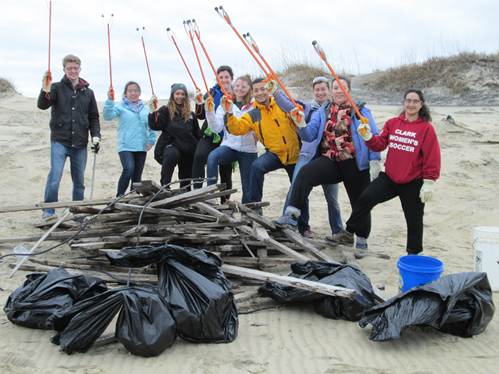
  • Green Marketing and Sustainability Communications for SMEs: Your Brand Differentiation Guide

    The Green Marketing Revolution Transforming SME Brand Strategy

    Sustainability communications have become a critical component of successful marketing strategies, with consumers increasingly making purchasing decisions based on environmental and social considerations. For small and medium enterprises, this shift presents both unprecedented opportunities to differentiate their brands and significant challenges in developing authentic, credible sustainability messaging that resonates with target audiences.

    The statistics surrounding consumer preferences for sustainable brands are compelling. Recent research indicates that 73% of global consumers are willing to pay more for sustainable products and services, while 81% of millennials expect companies to make public commitments to corporate citizenship. For SMEs, these trends represent substantial market opportunities that can drive growth and competitive advantage when addressed strategically.

    The challenge for SMEs is developing sustainability communications that are both authentic and effective. Unlike large corporations with dedicated marketing teams and substantial advertising budgets, small businesses must find cost-effective approaches to sustainability marketing that leverage their unique strengths while avoiding the pitfalls of greenwashing and consumer skepticism.

    The opportunity lies in the fact that SMEs often have inherent advantages in sustainability communications, including closer relationships with customers, greater operational transparency, and more authentic stories about their environmental and social commitments. Companies that successfully leverage these advantages can build stronger brand loyalty, attract environmentally conscious customers, and command premium pricing for their products and services.

    The Problem: Why SMEs Struggle with Effective Green Marketing

    Authenticity and Credibility Challenges

    The most significant challenge facing SMEs in sustainability communications is developing messaging that is both authentic and credible. Consumers have become increasingly sophisticated in evaluating sustainability claims and are quick to identify and reject marketing messages that appear to be greenwashing or superficial environmental positioning.

    Many SMEs struggle to identify and articulate their genuine sustainability strengths in ways that resonate with target audiences. While small businesses may have strong environmental and social practices, they often lack the expertise needed to translate these practices into compelling marketing messages that differentiate their brands and drive customer engagement.

    The complexity of sustainability issues creates additional challenges for SMEs in developing credible communications. Environmental and social impact claims require supporting data and verification that many small businesses do not possess. Without proper documentation and measurement, sustainability communications may appear unsubstantiated and fail to build consumer trust.

    The risk of greenwashing accusations is particularly concerning for SMEs that may lack the resources to defend their sustainability claims or recover from reputational damage. Small businesses need to ensure that their sustainability communications are accurate, verifiable, and aligned with their actual practices and performance.

    Resource Constraints and Expertise Gaps

    Effective sustainability communications require specialized knowledge of environmental and social issues, consumer psychology, and marketing strategy that many SMEs do not possess internally. Developing compelling sustainability messaging requires understanding of complex topics such as carbon footprints, supply chain impacts, and social responsibility that can be challenging for small business owners and marketing staff.

    The resource requirements for comprehensive sustainability communications can also be substantial, particularly for SMEs that need to invest in content development, design services, and marketing channels to reach their target audiences effectively. Professional photography, video production, and graphic design services can be expensive, while ongoing content creation and social media management require significant time investments.

    Many SMEs lack access to the data and measurement systems needed to support credible sustainability communications. Environmental impact assessments, social impact measurements, and sustainability performance tracking require specialized expertise and systems that may be beyond the capabilities of small business teams.

    The rapidly evolving nature of sustainability communications also creates challenges for SMEs in staying current with best practices, regulatory requirements, and consumer expectations. What constitutes effective sustainability marketing continues to evolve as consumer awareness increases and regulatory standards become more stringent.

    Market Positioning and Competitive Differentiation

    SMEs often struggle to identify and communicate their unique sustainability value propositions in ways that differentiate them from competitors and resonate with target customers. The proliferation of sustainability claims in the marketplace has created consumer confusion and skepticism that makes it difficult for authentic sustainability leaders to stand out.

    The challenge is compounded by the fact that many SMEs compete with larger companies that have substantial marketing budgets and sophisticated sustainability communications programs. Small businesses need to find creative approaches to sustainability marketing that leverage their unique strengths and connect with customers in ways that large corporations cannot replicate.

    Many SMEs also struggle with the balance between promoting their sustainability achievements and maintaining humility and authenticity in their communications. Overly promotional sustainability messaging can backfire and create consumer skepticism, while understated communications may fail to capture attention and drive business results.

    The complexity of sustainability issues also makes it difficult for SMEs to develop simple, clear messaging that consumers can easily understand and act upon. Effective sustainability communications must translate complex environmental and social concepts into accessible messages that motivate consumer behavior.

    The Solution: Strategic Sustainability Communications and Brand Development

    Authentic Sustainability Story Development

    Effective sustainability communications begin with identification and development of authentic sustainability stories that reflect the genuine values, practices, and impacts of the business. Professional sustainability communications consulting helps SMEs identify their unique sustainability strengths and translate them into compelling narratives that resonate with target audiences.

    The story development process typically includes assessment of current sustainability practices and performance, identification of unique sustainability value propositions and competitive advantages, development of authentic narratives that connect sustainability practices to business values and customer benefits, and creation of supporting content and messaging frameworks.

    Professional story development also includes evaluation of sustainability claims and supporting evidence to ensure that communications are accurate, verifiable, and aligned with actual performance. This process helps SMEs avoid greenwashing risks while maximizing the impact of their genuine sustainability achievements.

    The story development process considers different audience segments and communication channels to ensure that sustainability messaging is tailored to specific customer needs and preferences. This targeted approach helps maximize the effectiveness of sustainability communications while optimizing resource allocation.

    Integrated Marketing Strategy and Content Development

    Successful sustainability communications require integration with overall marketing strategy to ensure that environmental and social messaging supports broader business objectives and brand positioning. Professional sustainability marketing support helps SMEs develop comprehensive strategies that leverage sustainability as a competitive differentiator.

    Integrated marketing strategy development includes analysis of target audience sustainability preferences and behaviors, evaluation of competitive sustainability positioning and messaging, development of sustainability-focused value propositions and brand positioning, and creation of integrated marketing campaigns that incorporate sustainability themes.

    Content development services include creation of sustainability-focused marketing materials, development of digital content for websites and social media platforms, production of case studies and success stories that demonstrate sustainability impact, and preparation of sustainability reports and communications for stakeholders.

    Professional marketing support also includes guidance on sustainability marketing best practices, regulatory compliance requirements, and industry standards that help SMEs develop credible and effective communications while avoiding common pitfalls and risks.

    Performance Measurement and Optimization

    Effective sustainability communications require ongoing measurement and optimization to ensure that messaging resonates with target audiences and drives desired business outcomes. Professional sustainability marketing support includes development of measurement frameworks and optimization strategies that maximize the return on marketing investments.

    Performance measurement typically includes tracking of key performance indicators such as brand awareness, customer engagement, lead generation, and sales conversion rates for sustainability-focused marketing campaigns. This data provides insights into the effectiveness of different messaging approaches and communication channels.

    The measurement process also includes analysis of customer feedback, social media engagement, and market research data to understand how sustainability communications are perceived by target audiences. This feedback helps identify opportunities for message refinement and campaign optimization.

    Professional measurement support includes development of reporting systems that track the business impact of sustainability communications, identification of optimization opportunities based on performance data, and ongoing refinement of messaging and strategy based on market feedback and results.

    Success Story: Consulting Firm Wins Major Contracts Through Sustainability Positioning

    The Challenge

    Strategic Business Solutions, a 25-employee management consulting firm specializing in operational efficiency and process improvement, was struggling to differentiate itself in an increasingly competitive market. The firm competed primarily on expertise and price, but found that these traditional differentiators were becoming less effective as the consulting market became more crowded and commoditized.

    The challenge became particularly acute when the firm lost two major contract opportunities to competitors who emphasized their sustainability expertise and environmental consulting capabilities. The prospective clients specifically cited sustainability considerations as factors in their vendor selection decisions, highlighting a gap in Strategic Business Solutions’ market positioning.

    Founder and CEO Jennifer Park recognized that sustainability was becoming an increasingly important consideration for clients across all industries, but was unsure how to position her firm’s capabilities in this area. While Strategic Business Solutions had always helped clients improve operational efficiency, which often resulted in environmental benefits, the firm had never explicitly marketed these sustainability outcomes.

    Park was particularly concerned about the authenticity and credibility of potential sustainability positioning. She wanted to avoid greenwashing accusations while leveraging the genuine environmental benefits that resulted from the firm’s operational improvement work. The challenge was identifying and articulating these benefits in ways that would resonate with environmentally conscious clients.

    The firm had limited marketing resources and no dedicated sustainability expertise, making it difficult to develop and implement comprehensive sustainability communications. Park needed to find cost-effective approaches to sustainability marketing that would differentiate Strategic Business Solutions without requiring substantial investments in new capabilities or resources.

    The Solution Implementation

    Recognizing the strategic importance of sustainability positioning for competitive differentiation, Park engaged Green Communications Partners, a consulting firm specializing in sustainability marketing for professional services companies. The engagement began with comprehensive assessment of Strategic Business Solutions’ existing capabilities and client outcomes to identify authentic sustainability value propositions.

    The assessment revealed that Strategic Business Solutions’ operational improvement work consistently delivered significant environmental benefits for clients, including energy savings, waste reduction, and resource efficiency improvements. However, these benefits had never been systematically measured, documented, or communicated as part of the firm’s value proposition.

    The consulting team worked with Strategic Business Solutions to develop a comprehensive sustainability positioning strategy that positioned the firm as “operational efficiency experts who deliver environmental impact.” This positioning leveraged the firm’s existing expertise while highlighting the sustainability outcomes that resulted from their work.

    The positioning strategy included development of new service offerings that explicitly focused on sustainability outcomes, creation of case studies that documented the environmental benefits of previous client engagements, and implementation of measurement systems that tracked and reported sustainability impacts for all client projects.

    The marketing implementation included redesign of the firm’s website to highlight sustainability expertise and outcomes, development of thought leadership content that positioned the firm as experts in sustainable operations, and creation of sales materials that emphasized environmental benefits alongside traditional operational improvements.

    The firm also implemented new client engagement processes that included sustainability impact assessment and reporting as standard components of all consulting projects. This approach ensured that sustainability benefits were consistently identified, measured, and communicated to clients.

    The Results and Impact

    The sustainability positioning strategy delivered remarkable results that exceeded all expectations. Within 18 months of implementation, Strategic Business Solutions secured five major contracts specifically citing the firm’s sustainability expertise as a key selection criterion. These contracts represented over $800,000 in new revenue and established the firm as a recognized leader in sustainable operations consulting.

    The sustainability positioning also enabled the firm to command premium pricing for their services. Clients were willing to pay 15-20% higher fees for consulting services that delivered documented environmental benefits alongside operational improvements. This pricing premium significantly improved the firm’s profitability and competitive positioning.

    The thought leadership content and case studies generated substantial market visibility and lead generation. The firm’s sustainability-focused articles and presentations attracted attention from industry publications and conference organizers, resulting in speaking opportunities and media coverage that enhanced brand recognition and credibility.

    Perhaps most importantly, the sustainability positioning attracted higher-quality clients who were committed to environmental responsibility and willing to invest in comprehensive improvement initiatives. These clients typically engaged Strategic Business Solutions for longer-term projects and provided referrals to other sustainability-focused organizations.

    The sustainability focus also had positive impacts on employee engagement and recruitment. The firm attracted several experienced consultants who were specifically interested in working on sustainability-focused projects, enhancing the team’s capabilities and expertise in this growing market segment.

    Long-Term Strategic Benefits

    The success of the sustainability positioning has established Strategic Business Solutions as a recognized leader in sustainable operations consulting within their regional market. The firm now receives regular inquiries from organizations seeking sustainability-focused consulting services and has developed a strong reputation for delivering measurable environmental outcomes.

    The sustainability expertise has also opened new market opportunities and service offerings. The firm has expanded into sustainability strategy development, environmental management system implementation, and carbon footprint reduction consulting, diversifying their revenue streams and reducing dependence on traditional operational consulting.

    Park credits the sustainability positioning with transforming Strategic Business Solutions from a commodity consulting firm to a specialized sustainability leader. “The sustainability focus helped us differentiate ourselves in a crowded market while staying true to our core expertise,” she explains. “We’re now known for delivering both operational excellence and environmental impact.”

    The success of the sustainability positioning has led Strategic Business Solutions to expand their sustainability capabilities through partnerships with environmental consultants and certification in sustainability frameworks. The firm is now pursuing B Corporation certification and exploring opportunities for international sustainability consulting projects.

    Conclusion: Sustainability Communications as Growth Driver for SMEs

    Sustainability communications represent a powerful opportunity for SMEs to differentiate their brands, attract environmentally conscious customers, and drive business growth through authentic environmental and social messaging. The key to success is developing communications strategies that are both genuine and compelling, leveraging the unique strengths and stories that small businesses possess.

    Professional sustainability communications support provides SMEs with the expertise and resources needed to develop effective green marketing strategies while avoiding the pitfalls of greenwashing and consumer skepticism. The investment in professional communications consulting typically generates returns through improved brand positioning, customer acquisition, and premium pricing opportunities.

    For SME leaders considering sustainability communications initiatives, the question is not whether to incorporate environmental and social messaging into their marketing, but how to do so authentically and effectively. The companies that develop comprehensive sustainability communications strategies now will be best positioned to capitalize on the growing consumer demand for sustainable products and services.

    The future belongs to businesses that can demonstrate authentic commitment to sustainability through transparent communications and measurable impact. SMEs that embrace sustainability communications as a strategic marketing tool will find that it enhances rather than constrains their growth and competitiveness while contributing to broader environmental and social goals.

  • Supply Chain Sustainability for SMEs: Your Complete Implementation Guide

    The Supply Chain Sustainability Revolution Affecting SMEs

    Supply chain sustainability has evolved from a voluntary corporate initiative to a critical business requirement that affects SMEs across all industries and markets. As large corporations implement comprehensive supplier sustainability requirements and consumers demand greater transparency about product origins and manufacturing practices, small and medium enterprises find themselves under increasing pressure to demonstrate responsible supply chain management.

    The complexity of modern supply chains creates both challenges and opportunities for SMEs. While small businesses may have fewer suppliers and simpler supply networks than large corporations, they often lack the resources and expertise needed to assess and improve the sustainability performance of their supply chain partners. This creates risks related to regulatory compliance, reputational damage, and business continuity that can significantly impact SME operations.

    Recent research indicates that supply chain activities typically account for 60-80% of a company’s total environmental impact and social risk exposure. For SMEs, this means that supply chain sustainability is not just about their own operations, but about the collective impact of all their suppliers, vendors, and business partners. Companies that fail to address supply chain sustainability risks may face regulatory penalties, customer boycotts, and exclusion from business opportunities.

    The opportunity for SMEs lies in recognizing that supply chain sustainability can drive cost savings, risk reduction, and competitive advantages when implemented strategically. Companies that work collaboratively with suppliers to improve sustainability performance often achieve better quality, lower costs, and stronger business relationships while reducing their environmental and social impact.

    The Problem: Why SMEs Struggle with Supply Chain Sustainability

    Limited Visibility and Control Over Supply Networks

    Most SMEs have limited visibility into the sustainability practices of their suppliers and vendors, particularly those operating in complex global supply chains. Unlike large corporations that can afford dedicated procurement teams and sophisticated supplier monitoring systems, small businesses often rely on informal relationships and basic vendor selection criteria that do not include sustainability considerations.

    The challenge is compounded by the fact that many SMEs work with multiple tiers of suppliers, making it difficult to trace the origins of materials and components or assess the cumulative sustainability impact of their supply chains. A small manufacturer, for example, may purchase components from distributors who source from multiple manufacturers, creating complex supply networks that are difficult to monitor and manage.

    Many SMEs lack the technical expertise needed to evaluate supplier sustainability performance or develop meaningful sustainability requirements for their vendors. Environmental and social impact assessment requires specialized knowledge of industry practices, regulatory requirements, and measurement methodologies that most small business owners and managers do not possess.

    The geographic dispersion of suppliers creates additional challenges for SMEs that may work with vendors located in different countries or regions with varying environmental and social standards. Assessing and monitoring supplier performance across different regulatory environments and cultural contexts requires resources and expertise that many small businesses cannot afford.

    Resource Constraints and Competing Priorities

    Supply chain sustainability initiatives require significant time and resource investments that can be challenging for SMEs operating with lean management structures and competing business priorities. Developing supplier sustainability requirements, conducting vendor assessments, and monitoring ongoing performance demands ongoing attention that may exceed the capabilities of small business teams.

    The costs associated with supply chain sustainability can also be substantial, particularly for SMEs that need to invest in new supplier relationships or pay premium prices for sustainable materials and services. While these investments often generate long-term value, the upfront costs can strain SME budgets and compete with other business needs.

    Many SMEs lack the negotiating power needed to influence supplier sustainability practices, particularly when working with larger vendors who may be unwilling to accommodate special requirements from small customers. This power imbalance can make it difficult for SMEs to drive meaningful improvements in supplier sustainability performance.

    The complexity of supply chain sustainability also creates challenges in prioritizing improvement opportunities. SMEs need to identify the most critical sustainability risks and focus their limited resources on initiatives that will deliver the greatest impact on their overall supply chain performance.

    Regulatory and Customer Pressure

    SMEs face increasing regulatory requirements related to supply chain sustainability, including due diligence obligations, conflict minerals reporting, and modern slavery disclosure requirements. These regulations often apply to companies of all sizes and can result in significant penalties for non-compliance.

    Customer pressure for supply chain transparency and sustainability is also intensifying, with many large corporate customers requiring detailed information about supplier practices and sustainability performance. SMEs that cannot provide this information may lose business opportunities or face contract termination.

    The reputational risks associated with supply chain sustainability failures can be particularly damaging for SMEs that rely on local markets and personal relationships. Negative publicity related to supplier practices can quickly spread through social media and local business networks, creating lasting damage to company reputation and customer relationships.

    The Solution: Strategic Supply Chain Sustainability Implementation

    Comprehensive Supply Chain Assessment and Risk Analysis

    Effective supply chain sustainability begins with systematic assessment of current supplier relationships and identification of sustainability risks and opportunities throughout the supply network. Professional supply chain consulting provides SMEs with the expertise needed to evaluate their supply chains and develop targeted improvement strategies.

    Supply chain assessment typically includes mapping of all supplier relationships and dependencies, evaluation of supplier sustainability performance across environmental and social criteria, analysis of supply chain risks related to regulatory compliance and business continuity, and identification of opportunities for improvement and optimization.

    The assessment process also includes development of supplier sustainability criteria and evaluation frameworks that align with industry best practices and stakeholder expectations. These frameworks provide the foundation for ongoing supplier selection, evaluation, and performance monitoring activities.

    Professional supply chain assessment includes benchmarking against industry peers and best practices to identify areas where SMEs can improve their supply chain sustainability performance. This analysis helps prioritize improvement opportunities and develop realistic goals and timelines for supply chain sustainability initiatives.

    Supplier Engagement and Collaboration Programs

    Successful supply chain sustainability requires collaborative approaches that engage suppliers as partners in improvement efforts rather than simply imposing requirements and monitoring compliance. Professional consulting support helps SMEs develop supplier engagement strategies that drive meaningful improvements while maintaining positive business relationships.

    Supplier engagement programs typically include development of clear sustainability expectations and requirements, provision of training and technical assistance to help suppliers improve their performance, establishment of recognition and incentive programs that reward sustainability leadership, and creation of collaborative improvement initiatives that benefit all participants.

    The engagement process also includes regular communication and feedback mechanisms that help suppliers understand expectations and track their progress toward sustainability goals. This ongoing dialogue helps build stronger relationships and ensures that sustainability initiatives are aligned with business objectives.

    Professional supplier engagement support includes development of supplier sustainability agreements, implementation of performance monitoring and reporting systems, and facilitation of collaborative improvement projects that address common sustainability challenges across the supply network.

    Technology Integration and Performance Monitoring

    Modern supply chain sustainability increasingly relies on technology solutions that provide visibility into supplier performance and enable efficient monitoring and reporting. Professional consulting helps SMEs identify and implement cost-effective technology solutions that improve supply chain sustainability management.

    Technology solutions may include supplier management platforms that track sustainability performance and compliance status, supply chain mapping tools that provide visibility into complex supplier networks, and data analytics systems that identify risks and optimization opportunities across the supply chain.

    Performance monitoring systems include establishment of key performance indicators for supply chain sustainability, regular assessment and reporting of supplier performance, and identification of trends and improvement opportunities that can guide ongoing supply chain optimization efforts.

    Professional technology support also includes assistance with data collection and analysis, integration with existing business systems, and training of staff responsible for supply chain sustainability management. This comprehensive approach ensures that technology investments deliver maximum value and support ongoing improvement efforts.

    Success Story: Food Manufacturer Improves Brand Reputation Through Sustainable Sourcing

    The Challenge

    Artisan Foods Northwest, a 40-employee specialty food manufacturer producing organic sauces and condiments, was facing increasing pressure from customers and retailers to demonstrate sustainable sourcing practices throughout their supply chain. The company sourced ingredients from over 30 suppliers across North America and internationally, creating a complex supply network that was difficult to monitor and manage.

    The challenge became acute when a major retail customer announced new supplier requirements that included detailed reporting on ingredient sourcing practices, environmental impact assessment, and social responsibility verification. The retailer, which represented 25% of Artisan Foods’ annual revenue, required comprehensive supply chain sustainability documentation within six months or face potential contract termination.

    Company founder and CEO Maria Rodriguez recognized that supply chain sustainability was becoming a critical competitive factor in the specialty food industry. Consumers were increasingly interested in the origins of their food and the practices of companies throughout the supply chain. Several competitors had already implemented sustainable sourcing programs and were using these initiatives as marketing differentiators.

    Rodriguez was particularly concerned about the sustainability practices of international suppliers, including organic farms in Central America and spice processors in Asia. While these suppliers provided high-quality ingredients at competitive prices, Rodriguez had limited visibility into their environmental and social practices and was unsure how to assess and improve their sustainability performance.

    The company had made previous attempts to address supply chain sustainability through basic supplier questionnaires and facility visits, but these efforts had been inconsistent and delivered limited results. Rodriguez realized that a more systematic approach was needed to meet customer requirements and position Artisan Foods as a sustainability leader in the specialty food market.

    The Solution Implementation

    Recognizing the strategic importance of supply chain sustainability for customer retention and competitive positioning, Rodriguez engaged Sustainable Food Systems Consulting, a firm specializing in supply chain sustainability for food manufacturers. The engagement began with comprehensive mapping and assessment of Artisan Foods’ entire supply network.

    The supply chain assessment revealed significant variations in supplier sustainability performance and identified several high-risk relationships that required immediate attention. The analysis showed that approximately 60% of suppliers had strong sustainability practices, 30% had moderate performance with improvement opportunities, and 10% presented significant sustainability risks that needed to be addressed urgently.

    The consulting team developed a comprehensive supply chain sustainability strategy that focused on three core components: supplier assessment and classification based on sustainability performance, collaborative improvement programs for key suppliers, and development of alternative sourcing options for high-risk ingredients.

    The supplier assessment process included development of detailed sustainability criteria covering environmental management, social responsibility, quality systems, and business ethics. Each supplier was evaluated using standardized assessment tools and classified into performance categories that determined the level of engagement and support required.

    For high-performing suppliers, Artisan Foods developed partnership programs that included long-term contracts, joint marketing initiatives, and collaborative product development projects. For moderate-performing suppliers, the company implemented improvement programs that provided technical assistance, training, and incentives for sustainability enhancements.

    For high-risk suppliers, Artisan Foods developed transition plans that included identification of alternative sourcing options, gradual reduction of purchase volumes, and eventual replacement with more sustainable suppliers. This approach minimized business disruption while ensuring continuous improvement in supply chain sustainability performance.

    The Results and Impact

    The supply chain sustainability program delivered exceptional results that exceeded all expectations. Most importantly, Artisan Foods not only retained their major retail customer but also strengthened the relationship through demonstrated commitment to supply chain sustainability. The retailer specifically cited Artisan Foods’ proactive approach to sustainable sourcing as a model for other suppliers.

    The supplier engagement programs generated significant improvements in sustainability performance across the supply network. Over 80% of suppliers participating in improvement programs achieved measurable enhancements in environmental management, social responsibility, or quality systems within the first year of implementation.

    The sustainable sourcing initiatives also created new marketing opportunities and competitive advantages. Artisan Foods developed a comprehensive sustainability story that resonated with environmentally conscious consumers and helped differentiate the company’s products in competitive markets. Sales to sustainability-focused retailers increased by 35% in the first year following program implementation.

    Perhaps most importantly, the supply chain sustainability program improved product quality and reduced supply chain risks. The enhanced supplier relationships and improved sustainability practices resulted in more consistent ingredient quality, reduced supply disruptions, and better alignment between supplier capabilities and Artisan Foods’ requirements.

    The program also generated cost savings through improved supplier relationships and operational efficiencies. Long-term contracts with high-performing suppliers provided price stability and reduced procurement costs, while improved quality reduced waste and rework expenses.

    Long-Term Strategic Benefits

    The success of the supply chain sustainability program has positioned Artisan Foods as a leader in sustainable food manufacturing within their market segment. The company now markets its sustainable sourcing practices as a core brand differentiator and has attracted new customers specifically seeking responsibly sourced food products.

    The supplier partnership programs have created stronger, more collaborative relationships that support innovation and product development. Several suppliers have worked with Artisan Foods to develop new ingredients and packaging solutions that enhance both sustainability performance and product quality.

    Rodriguez credits the supply chain sustainability program with transforming Artisan Foods from a traditional food manufacturer to a sustainability-focused brand. “The supply chain program started as a customer requirement but became the foundation of our brand identity,” she explains. “We’re now known for our commitment to responsible sourcing and environmental stewardship.”

    The success of the initial supply chain sustainability efforts has led Artisan Foods to expand their sustainability initiatives to include packaging optimization, energy efficiency, and waste reduction. The company is now working toward B Corporation certification and exploring opportunities for regenerative agriculture partnerships.

    Conclusion: Supply Chain Sustainability as Competitive Advantage for SMEs

    Supply chain sustainability represents a critical opportunity for SMEs to reduce risks, improve performance, and create competitive advantages through collaborative relationships with suppliers and vendors. The key to success is taking a systematic approach that begins with comprehensive assessment, includes strategic supplier engagement, and focuses on continuous improvement and performance monitoring.

    Professional supply chain sustainability consulting provides SMEs with the expertise and resources needed to navigate the complexity of modern supply networks while ensuring that initiatives deliver measurable business value. The investment in professional supply chain consulting typically generates returns through improved supplier relationships, reduced risks, and enhanced competitive positioning.

    For SME leaders considering supply chain sustainability initiatives, the question is not whether to address supply chain risks and opportunities, but how to do so most effectively. The companies that implement comprehensive supply chain sustainability strategies now will be best positioned to capitalize on the competitive advantages and risk reduction benefits that responsible supply chain management provides.

    The future belongs to businesses that can demonstrate leadership in supply chain sustainability through transparent practices and collaborative supplier relationships. SMEs that embrace supply chain sustainability as a strategic priority will find that it enhances rather than constrains their growth and competitiveness while contributing to broader sustainability goals.