Author: greenele

  • Greenwashing UK

    Here are 20 examples of greenwashing allegations or controversies from the UK up to January 2022. Please note that some of these examples might be contested or debated. Let me know if you have updates:

    1. BP (Beyond Petroleum) – British Petroleum changed its name to BP and launched a “Beyond Petroleum” campaign, promoting itself as an environmentally-friendly company. Critics claim that this was a greenwashing attempt given the company’s continued heavy investment in fossil fuels. Reference: The Guardian (2010)
    2. Coca-Cola’s “Love Story” Ad – The advert showed bottles “falling in love” because they were recycled. However, at the time, a small fraction of their bottles were made from recycled material in the UK. Reference: The Independent (2017)
    3. E.ON’s Solar Rewards – The energy company promoted its Solar Rewards scheme but it was found that it could benefit only a small fraction of its customers. Reference: The Guardian (2018)
    4. EasyJet’s “EcoJet” – The airline announced plans for a new “EcoJet” but it was never built. Reference: The Guardian (2007)
    5. Heathrow Airport Expansion – The airport promoted the idea that their expansion could be carbon neutral, an assertion that environmentalists contested. Reference: The Guardian (2020)
    6. H&M’s Conscious Collection – Although the line is marketed as sustainable, the fast fashion business model of H&M was still criticized for being fundamentally unsustainable. Reference: The Guardian (2019)
    7. HSBC – They were once criticized for investing in projects that led to deforestation while simultaneously running a green campaign. Reference: The Independent (2008)
    8. Kellogg’s Origins – Marketed as a farmer-friendly initiative, but its primary aim appeared to be gathering consumer data. Reference: The Guardian (2014)
    9. Lloyds’ green bonds – Although Lloyds offered green bonds, they also invested in fossil fuel projects. Reference: BankTrack
    10. M&S Plastic Toy Giveaway – While M&S has shown commitment to reducing plastic waste, their “Little Shop” giveaway that included small plastic versions of products was seen as contradictory. Reference: The Telegraph (2019)
    11. McDonald’s paper straws – They introduced paper straws to reduce plastic waste, but these straws were not recyclable. Reference: BBC (2019)
    12. Nestlé’s plastic offset scheme – The scheme was criticized for being an attempt to distract from the issue of plastic pollution. Reference: The Guardian (2020)
    13. Primark’s Sustainable Cotton Programme – Although they launched this programme, the larger fast fashion model of Primark is seen by some as inherently unsustainable. Reference: Ethical Consumer
    14. Shell’s “Make the Future” Campaign – The campaign highlighted clean energy solutions, but the majority of the company’s investments were still in oil and gas. Reference: The Guardian (2019)
    15. Tesco’s carbon footprint labels – Tesco promised carbon footprint labels on their products, but the initiative was later dropped. Reference: The Guardian (2012)
    16. Unilever’s Love Beauty and Planet – Critics argued that while the brand touts sustainability, Unilever as a whole had a larger environmental footprint. Reference: Forbes (2019)
    17. Volkswagen’s Dieselgate – Not a purely UK scandal, but it impacted the UK significantly. The company claimed their cars were low emission, but they had rigged tests to hide their true environmental impact. Reference: BBC (2015)
    18. Waitrose Farming Partnership – Waitrose promoted their partnership as environmentally friendly, but concerns were raised about some of the practices. Reference: The Guardian (2016)
    19. Whitbread – The company, which owns Costa Coffee and Premier Inn, was criticized for not going far enough with their recycling efforts. Reference: The Independent (2017)
    20. Zara’s “Sustainable” Collection – Critics argued that while the collection was a step forward, the brand’s fast fashion model still led to significant waste and overproduction. Reference: Elle (2016)

    Please note that these examples are based on claims and controversies and the perspectives can be subjective. Always ensure to do further research on each case for a comprehensive understanding.

  • Sustainability Reporting

    Sustainability Reporting: The Forefront of Climate-driven Business Challenges

    The evolving narrative of climate change is catapulting sustainability reporting to the zenith of business priorities. Regulatory bodies across the globe are meticulously crafting and instituting a fresh suite of reporting standards that encompasses businesses, irrespective of their magnitude. The inception of compulsory sustainability disclosures is on the horizon globally. Notably, the UK is integrating the SDS, while the EU is in the advanced stages of implementing the Corporate Sustainability Reporting Directive (CSRD), complemented by a myriad of associated legislative measures.

    In this dawning era, the impending mandate will necessitate businesses of diverse scales to craft sustainability disclosures that parallel the rigour and precision of contemporary financial statements. Further intensifying this shift, enterprises will find themselves aligning with sector-specific milestones, such as achieving net zero. Crucially, the discerning eyes of investors will evaluate and engage with corporations based on a nuanced assessment of sustainability-related risks and prospects.

    The Paradigm Shift in Business Reporting

    Amidst these transformative phases, the onus lies on businesses to acclimatize, fortifying their resilience while meeting augmented expectations. Grasping the nuances of forthcoming reporting obligations is pivotal for navigating this transition successfully.

    Our objective is to illuminate your path towards that imperative first step. Delve in to understand the seismic shifts in the reporting arena, decode the pioneering standards introduced by the International Sustainability Standards Board (ISSB), assimilate their foundational guidelines, and gain access to an exhaustive repository of risks, opportunities, and KPIs integral to your sustainability reporting narrative.

  • Routes to sustainability

    1. Education and Awareness: Informing and educating individuals and communities about sustainability issues is the first step towards change. It’s not just about sharing knowledge, but also about inspiring and motivating people to take action. It includes initiatives like environmental education in schools, public awareness campaigns, sustainability training in businesses, and more.
    2. Protest and Demonstration: This is an active form of expression, often publicly, to raise awareness about certain issues and demand changes from authorities or institutions. It has been a powerful tool throughout history in effecting social change. In the context of sustainability, protests can help highlight environmental issues and demand urgent action from governments and corporations.
    3. Complain and Petition: Petitions are another way for people to demand change. They can be directed towards governments, institutions, or businesses to change their policies or practices. Complaints, on the other hand, can draw attention to specific incidents or practices that are unsustainable or harmful to the environment.
    4. Personal Consumer Choice: Every day, individuals make choices about what they buy, what they eat, how they travel, etc. By making more sustainable choices – like buying products with less packaging, choosing energy-efficient appliances, or reducing meat consumption – individuals can collectively have a big impact on sustainability.
    5. Business Practice: Businesses have a huge role to play in sustainability. They can implement sustainable practices in their operations (like reducing waste, conserving energy, sourcing responsibly), design sustainable products or services, set sustainability goals and report on their progress, engage with their supply chains to promote sustainability, and more.
    6. Innovation and Technology: Harnessing the power of technology is crucial in addressing sustainability challenges. This can range from creating cleaner energy sources, designing more efficient products and systems, developing methods for recycling and waste reduction, and so forth. In addition, digital technologies such as AI, blockchain, and IoT can also support data-driven sustainability efforts.
    7. Research and Development: Scientific and academic research can lead to new breakthroughs and understandings in sustainability. This can involve anything from researching new ways to reduce carbon emissions, studying the impact of certain behaviors on the environment, developing new sustainable materials, etc.
    8. Urban Planning and Infrastructure Development: Designing and building cities in a more sustainable way is a key route to sustainability. This can involve improving public transportation, creating green spaces, implementing waste management systems, designing energy-efficient buildings, and promoting compact city design.
    9. Policy Development and Implementation: While this can fall under governance, it’s worth highlighting separately. Developing and implementing strong policies that support sustainability can be done at local, regional, national, and international levels.
    10. Investment and Financing: Financial institutions and individual investors can play a significant role in promoting sustainability by channeling funds into sustainable businesses, projects, and technologies. This includes green bonds, impact investing, and sustainable funds.
    11. Community Initiatives and Grassroots Movements: Local communities can play a significant role in sustainability, often with a greater sense of urgency and direct action. They can pioneer sustainable living practices, local recycling programs, community-owned renewable energy projects, and more.
    12. Collaboration and Partnerships: Sustainability challenges are often complex and interlinked, requiring collaboration across different sectors, industries, and countries. This could involve public-private partnerships, intergovernmental collaborations, multi-stakeholder initiatives, etc.
    13. Sustainable Agriculture and Food Systems: Implementing sustainable farming practices, promoting local food systems, reducing food waste, and shifting towards plant-based diets can significantly contribute to sustainability.
    14. Ecological Restoration and Conservation: Protecting, managing, and restoring ecosystems can maintain biodiversity, sequester carbon, and maintain the health of our planet.
    15. Adoption of Circular Economy Principles: This involves redesigning our economy to be less ‘take, make, dispose’ and more about reusing, recycling, and regenerating.
  • FREE Sustainability courses

    FREE Sustainability courses from the United Nations.

    🔗 Course Links:

    1. The Paris Agreement on Climate Change as a Development Agenda: https://lnkd.in/eFsr2TwM

    2. Integration of the SDGs into National Planning: https://lnkd.in/e6vuGHng

    3. Green Marketing Challenge: https://lnkd.in/eWByut-N

    4. Impact Measurement & Management for the SDGs: https://lnkd.in/e3mBsuhQ

    5. Integrated Approaches to Mainstreaming, Acceleration and Policy Support for the SDGs: https://lnkd.in/eENsUTdw

    6. Digital4Sustainability Learning Path: https://lnkd.in/e3Vu_842

    7. What is the Net-Zero Standard: https://lnkd.in/eKVzhvm8

    8. Setting Science-Based Targets to Achieve Net-Zero: https://lnkd.in/e2rETaz9

    9. Sustainable Consumption and Production in Africa: https://lnkd.in/eAh7J75a

    10. Introduction to risk-informed, conflict-sensitive and peacebuilding programming: https://lnkd.in/evgywv46

    🌿 Share this valuable opportunity with your network, and together, let’s drive sustainable change worldwide!
    🌿 Thank you Paulyn Duman for compiling these resources. Let’s Join the movement for #sustainability!
    🌿 Follow Me- Zainab Bie for more such resources and conversations on Climate change, Economics, and Multilateral Diplomacy

  • Micro Greens

    Many people give a list of excuses why they can’t grow their own vegetables –
    they haven’t got green fingers
    they haven’t got enough space
    they don’t know what to do
    it’s too expensive
    they haven’t got the right kit

    But it’s easier than you think! If I can do it then you can do it.

    Get a plastic takeaway pot, some lettuce seeds and a bit of peat free compost.

    Just add water.

    In a few days it looks like this

    In a few days it looks like this

    In a week or two it looks like this

    And in a month you can cut as many leaves as you like with scissors to add to your salad or sandwich

    Yummy! And zero food miles.

    Bargain seeds from Premier Seeds Direct.

  • In 2030, You’ll Own Nothing And Be Happy About It

    In 2030, You’ll Own Nothing And Be Happy About It

    In 2030, You’ll Own Nothing And Be Happy About It

    We have to cut personal consumption of stuff because burning fossil fuel has caused the current climate change emergency. 

    The World Economic Forum leaders expect us to reduce personal ownership to zero. 

    Have these private jet flying billionaires got our best interests at heart?

    How comfortable are you with the idea of owning nothing and being happy?

    The folks at The World Economic Forum, led by Klaus Schwab, never tire of “reimagining” everything. From food chains, digital identity, healthcare, even reimagining capitalism itself, everything seems to be on the table. Our betters at Davos have taken it upon themselves to make every aspect of our lives fair game for being reimagined, reconstituted, recalibrated, reordered and reset. Always along top-down technocratic lines they dream up at their exclusive, invite-only confabs….”

    Tell me what you think.

  • Why is direct air capture of CO2 a dangerous distraction?

    Why is direct air capture of CO2 a dangerous distraction?

    Background
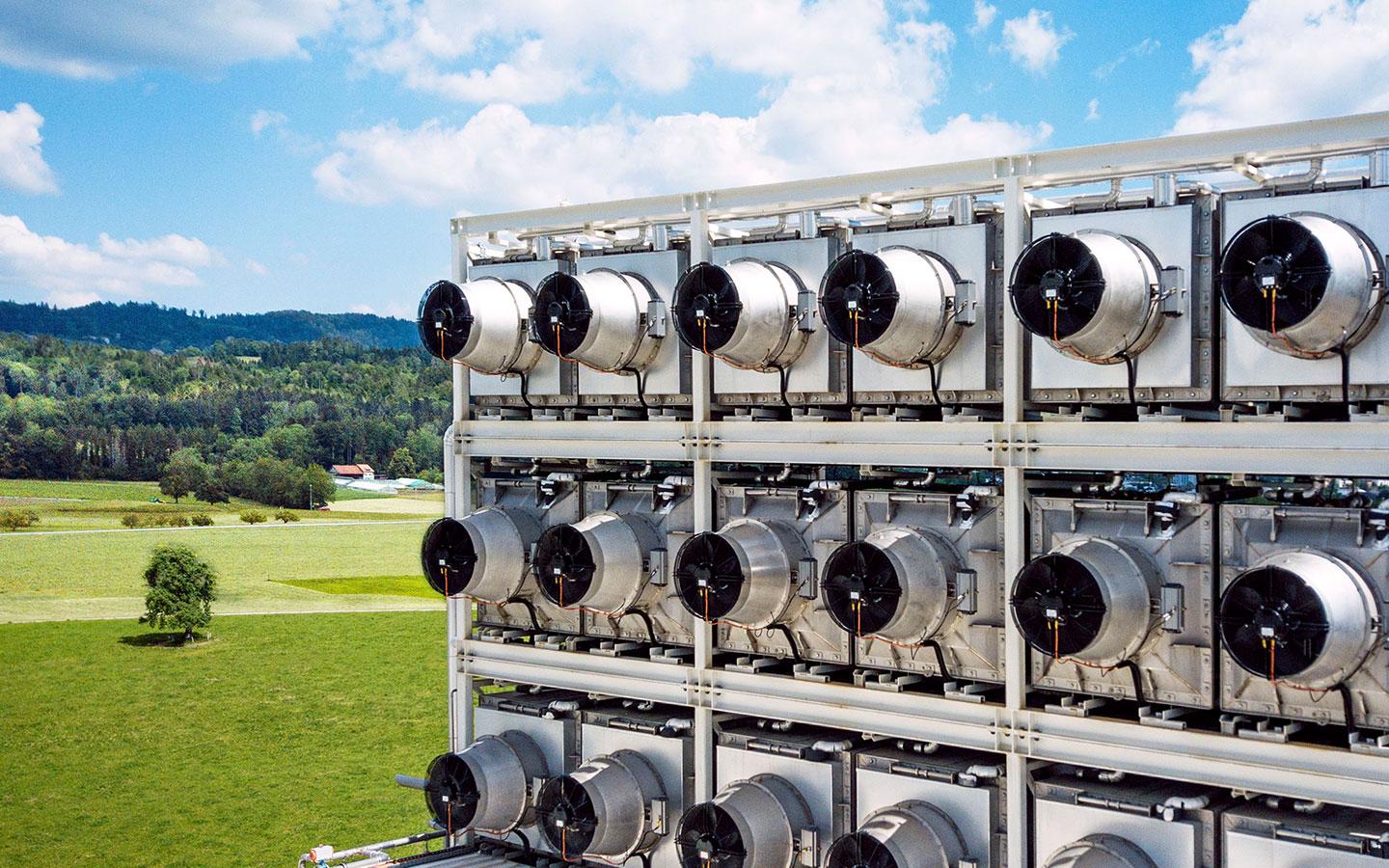
    Current plans to reduce CO2 back to safe levels demand that we capture billions of tons of CO2 per year  as soon as possible. Many of these plans need technology that doesn’t exist yet and we hope will be invented. Hope is not a strategy. 

    Cost 
    The range of costs for DAC vary between $250 and $600 per tonne today. Optimists say this might drop to $150 per tonne in five to ten years. Costs are high because of expensive energy, infrastructure and maintenance. Genuine tree planting projects quote about $15 per tonne.

    Scalability 
    There are about 20 DAC units worldwide capturing less than 10000 tonnes CO2 per year. IPCC forecasts need 1 billion tonne CO2 capture per year to meet targets so we are 5 orders of magnitude out. 

    Use of the CO2 
    The largest market for CO2 today is enhanced oil recovery (EOR), which is controversiallly used to increase fossil fuel production. This sounds counter productive.

    Track record 
    All direct air capture systems so far have failed economically or technically. 

    Opportunity Cost 
    The attraction of big shiny infrastructure takes away investment from less glamorous projects. Thousands of tons of steel, copper and concrete resources are diverted away from tried and tested wind and solar technology.

    Call me to find how to take genuine sustainability action.

    Photo credit  -Climeworks’ first commercial direct air capture plant, based in Hinwil, Switzerland. The fans draw in air, where the CO2 in that air reacts with chemicals that selectively bind it. Photo by Climeworks

  • What can we learn from indigenous peoples?

    How do native populations survive 10 times longer than most civilisations?

    The age of oil will span about 100 years.

    Australian, North and South American peoples  have lived in harmony with nature for more than 10000 years. How did they do it?

    Indigenous forest gardens in the tropics and subtropics have been increasingly appreciated as presenting a valuable model for more sustainable agriculture. The practices have been somewhat easier for researchers to identify because some are still in use today, and they also more closely resemble Eurocentric notions of agriculture—such as annual cycles of planting and harvesting.

    “In the 1930s, an archeologist from the Smithsonian wrote a short paper remarking on the exquisite vegetation around First Nation villages in Alaska. The villages’ surroundings were filled with nuts, stone fruit, berries, and herbs—several non-native to the area and many that would never grow together naturally. The significance of these forest gardens went largely overlooked and unrecognized by modern archeology for the next 50-plus years…..”

    Link to the original article

    Take action, book a quick call

  • What do you know about the new world order?

    In 2030, You’ll Own Nothing And Be Happy About It

    We have to cut personal consumption of stuff because burning fossil fuel has caused the current climate change emergency. 

    The World Economic Forum leaders expect us to reduce personal ownership to zero. 

    Have these private jet flying billionaires got our best interests at heart?

    How comfortable are you with the idea of owning nothing and being happy?

    Read

    Reimagining The World Economic Forum

    And tell me what you think.

  • Rewilding

    Rewilding

    Have you ever tried touching the grass after it’s been left for a week or two?
    You might see one or two weed sticking their heads up from the lawn which is maybe 4 or 5 inches high. If you’re lucky you might see a couple of pretty flowers.
    Leave the garden alone for 3 months and you get a jungle.
    You will see a great variety of grasses and flowers, maybe up to 2 ft tall.
    Bees, butterflies and other insects attracted to this new habitat.
    This is local rewilding.
    What could be easier?